
Thematic Focus | Applied Research & Publications
My applied research spans public health, gender, religion, and conflict dynamics across Central Asia and Eastern Europe. These studies involved mixed-methods fieldwork, cross-country analysis, and collaboration with universities, development agencies, and research institutions. Findings from this work informed national policies, donor strategies, and peer-reviewed publications.
Kyrgyzstan, Uzbekistan & Tajikistan | Internal Factors of Islamic Radicalization in the Ferghana Valley (2003-2004)
Commissioner: DFID
Institution: University of Birmingham, REESC
Role: Field Researcher
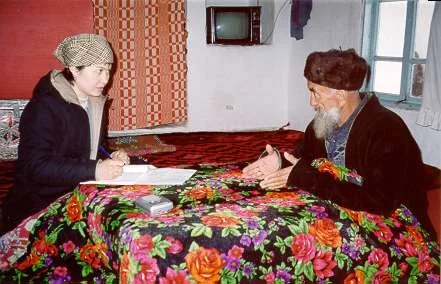
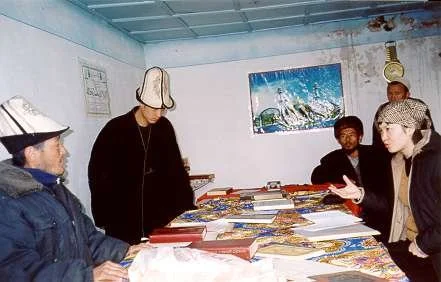
Designed and conducted multi-country qualitative research on the social and political drivers of Islamic radicalization. Facilitated focus groups and interviews with religious leaders, community members, civil society, government officials, and policymakers; analyzed data; and contributed to dissemination through conferences and publications.
Research Findings Summary: The study identified socio-economic marginalization, generational tensions, weak state–community relations, and localized grievances as key drivers of radicalization. Findings informed academic discourse and contributed to the co-authored book chapter: “Islam and Islamism in the Ferghana Valley,” in Radical Islam in the Former Soviet Union (Routledge, 2010).
Kyrgyzstan | Health & Environmental Impact of Cyanide Spill (2001–2002)
Commissioner: European Commission
Role: Research Analyst
Led sociological research assessing the health and environmental impact of the Barskoon cyanide spill. Managed a 10-member research team, designed questionnaires, and oversaw a 1,500-household survey. Cleaned, synthesized, and analyzed quantitative and qualitative data using SPSS and authored the research findings report.
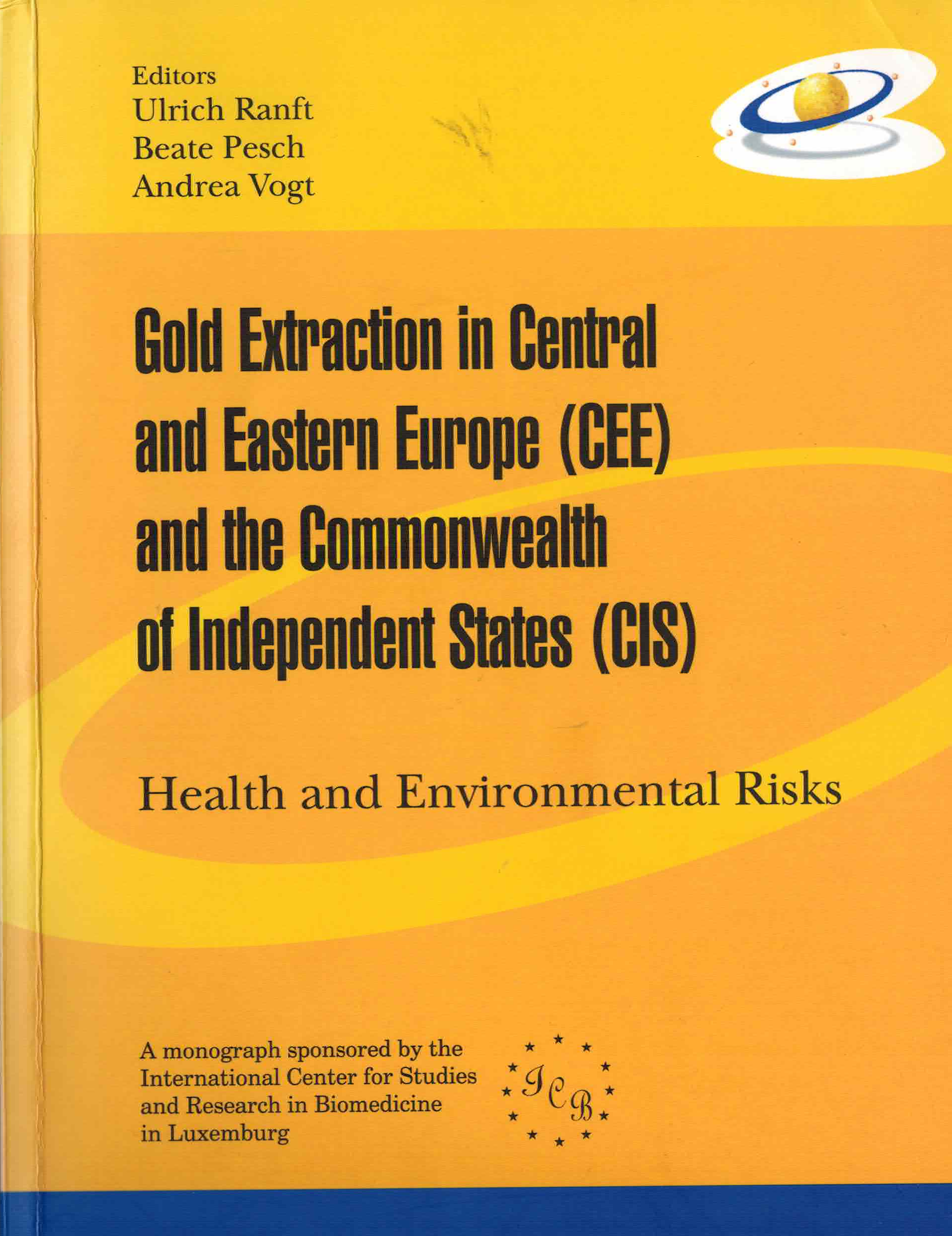
Research Findings Summary: The study documented elevated health concerns, environmental risks, and community perceptions of contamination in the Barskoon region. Findings were presented at an international conference in London (June 2003) and contributed to the publication Health Survey and Environmental Data in the Barskoon Region (Kyrgyzstan) in Gold Extraction in Central and Eastern Europe and the CIS (Jagiellonian University Press, 2005).
Kyrgyzstan | Formative Hygiene & Sanitation Research (2000–2001)
Commissioner: DFID
Institution: London School of Hygiene and Tropical Medicine (LSHTM)
Role: Researcher
Contributed to formative research on hygiene behavior through structured observations, interviews, and focus groups with communities, women, children, and educators. Collaborated with local authorities and communities to ensure culturally grounded data collection.
Research Findings Summary: The study identified behavioral patterns and barriers influencing hygiene practices, informing DFID’s hygiene promotion strategies. Results contributed to the peer-reviewed article: “Formative Research for Hygiene Promotion in Kyrgyzstan,” Health Policy and Planning (Oxford University Press, 2005).