Thematic Focus | Peacebuilding, Conflict Prevention & Stabilization
The evaluations and projects I have led and contributed to in peacebuilding and stabilization examine how programs prevent violence prevention, resilience, and community trust. Within this thematic focus, I have also contributed to conflict assessments that identify key drivers and mitigating factors of conflict and violence - analyzing the roles of actors, institutions, and narratives that influence peace and stability. This thematic portfolio includes evaluations of initiatives supporting conflict-affected populations, fostering social cohesion, and strengthening stabilization strategies across Ukraine, Central Asia, and South Africa.
Ukraine | Evaluation of Stabilization and Transformation Programs (2021-2025)
Commissioner: U.S. Department of State, Bureau of Conflict and Stabilization Operations (CSO)
Contractor: Resonance Global
Role: Team Lead / Senior Evaluation Specialist
Led the evaluation of six CSO programs under the Monitoring and Evaluation Activities for Ukraine Programming Task Order. The portfolio covered veteran reintegration, IDP integration, social cohesion, conflict observatory, and rapid response initiatives. Findings informed CSO’s program design and diplomatic engagement.
Evaluations Conducted (n=6)
1.Enterprise Geospatial Information System (EGIS) Evaluation
Assessed how EGIS enhanced situational awareness and safety for the OSCE Special Monitoring Mission in Ukraine. Despite technical advancements and improved data management, EGIS’s full potential was limited by external events and internal challenges. The evaluation highlights both successes and barriers, offering actionable recommendations for future conflict monitoring initiatives in complex environments.
2. Veterans Reintegration Program Final Evaluation
Evaluated efforts to strengthen support for veterans through digital tools, hubs, and expanded mental health and employment services. Highlighted sustainability needs, gender integration, and stronger government–NGO collaboration.
3. Cohesion Through Youth-Led Action (CYLA) Final Evaluation
Reviewed a youth-focused initiative supporting skills development, community ties, and advocacy—particularly for displaced youth. Found strong adaptability and sustainable networks, with recommendations for deeper gender integration.
4. United Voices in Action (VIA) Final Evaluation
Assessed IDP integration and community cohesion programming nationwide. VIA exceeded targets, helped establish IDP Councils, and expanded women’s participation, while noting gaps in rural outreach and sustainability.
5. Conflict Observatory Ukraine Midterm Evaluation Report Summary
Evaluated the Observatory’s use of open-source and satellite data to document Russia’s actions. Highlighted strong contributions to accountability efforts and identified needs for improved coordination, communication, and data management.
6. Ukraine Portfolio Evaluation Report Summary
Synthesized findings across seven CSO-supported programs aimed at stabilization and resilience during wartime. Identified improvements in data systems, veteran and IDP support, community cohesion, and adaptive programming.
Global | Evaluation and Dissemination of USAID’s Conflict Assessment Framework 2.0 (2018–2021)
Commissioner: USAID’s Center for Conflict and Violence Prevention (formerly CMM)
Contractor: Democracy International
Role: Evaluation Team Lead
Led the global evaluation of USAID’s Conflict Assessment Framework (CAF) 2.0, reviewing its use across 17 country assessments to inform conflict-sensitive programming. Designed the evaluation methodology, conducted mixed-methods analysis, and synthesized findings on CAF’s effectiveness in diagnosing conflict dynamics and guiding strategy development. Also contributed to global dissemination efforts, organizing roundtables and workshops to strengthen learning and adaptive application of the CAF across USAID missions.
Evaluation Findings Summary: Findings confirmed CAF’s strong diagnostic value in analyzing conflict dynamics and guiding strategy development. However, the evaluation noted the need for clearer guidance on the response phase and stronger links between assessment findings and program design. It recommended refining core concepts—such as resilience, blind spots, and key mobilizers—and improving synthesis and systems mapping approaches. The evaluation findings and recommendations informed and provided a foundation for the update of the 2024 USAID, Violence and Conflict Assessment analytical framework. Subsequent dissemination activities strengthened uptake of lessons learned and advanced the integration of conflict analysis across USAID missions.
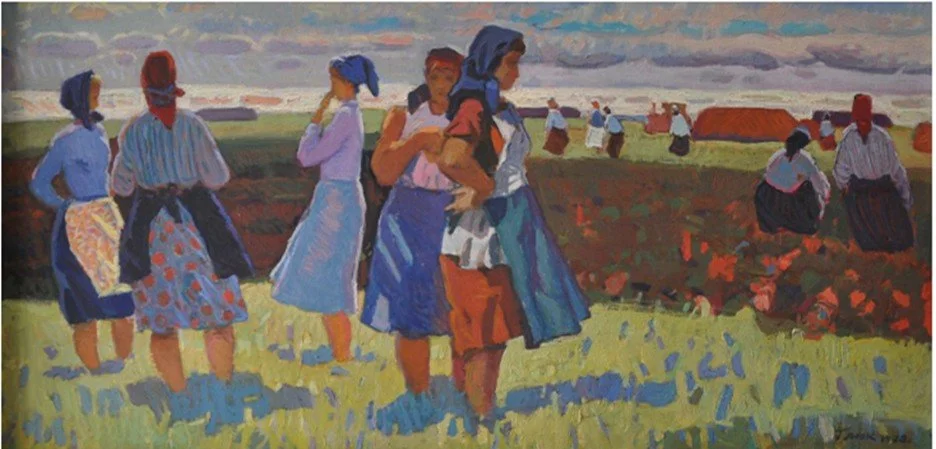
Photo Credit: Photo of Oil Painting “Link” by Havrilo Hliuk
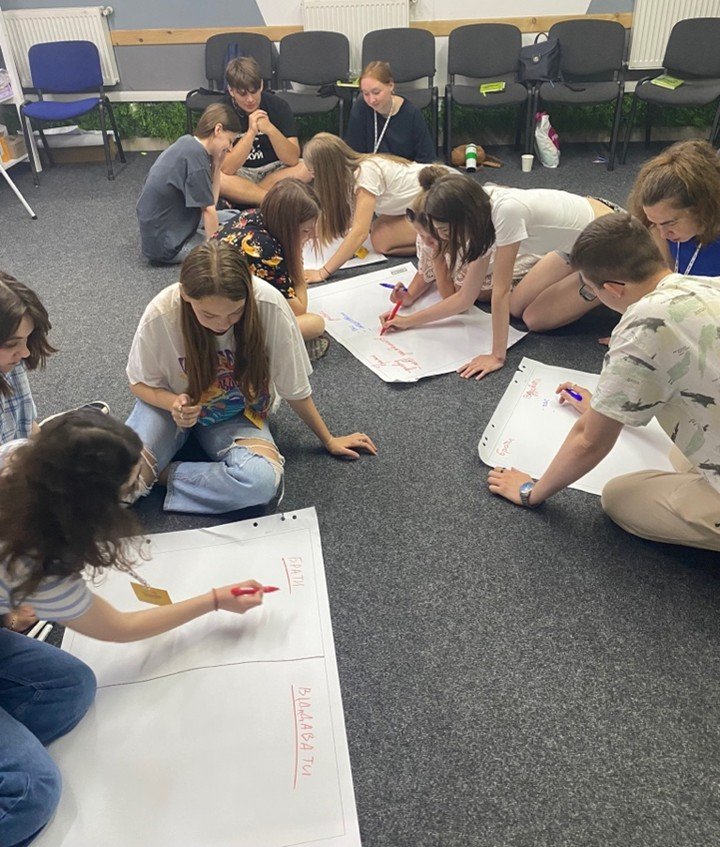
Photo Credit: CYLA Project
South Africa | Mitigating Xenophobic Violence Activity Evaluation (2018-2019)
Commissioner: USAID/South Africa
Contractor: Democracy International
Role: Team Lead / Senior Evaluation Specialist
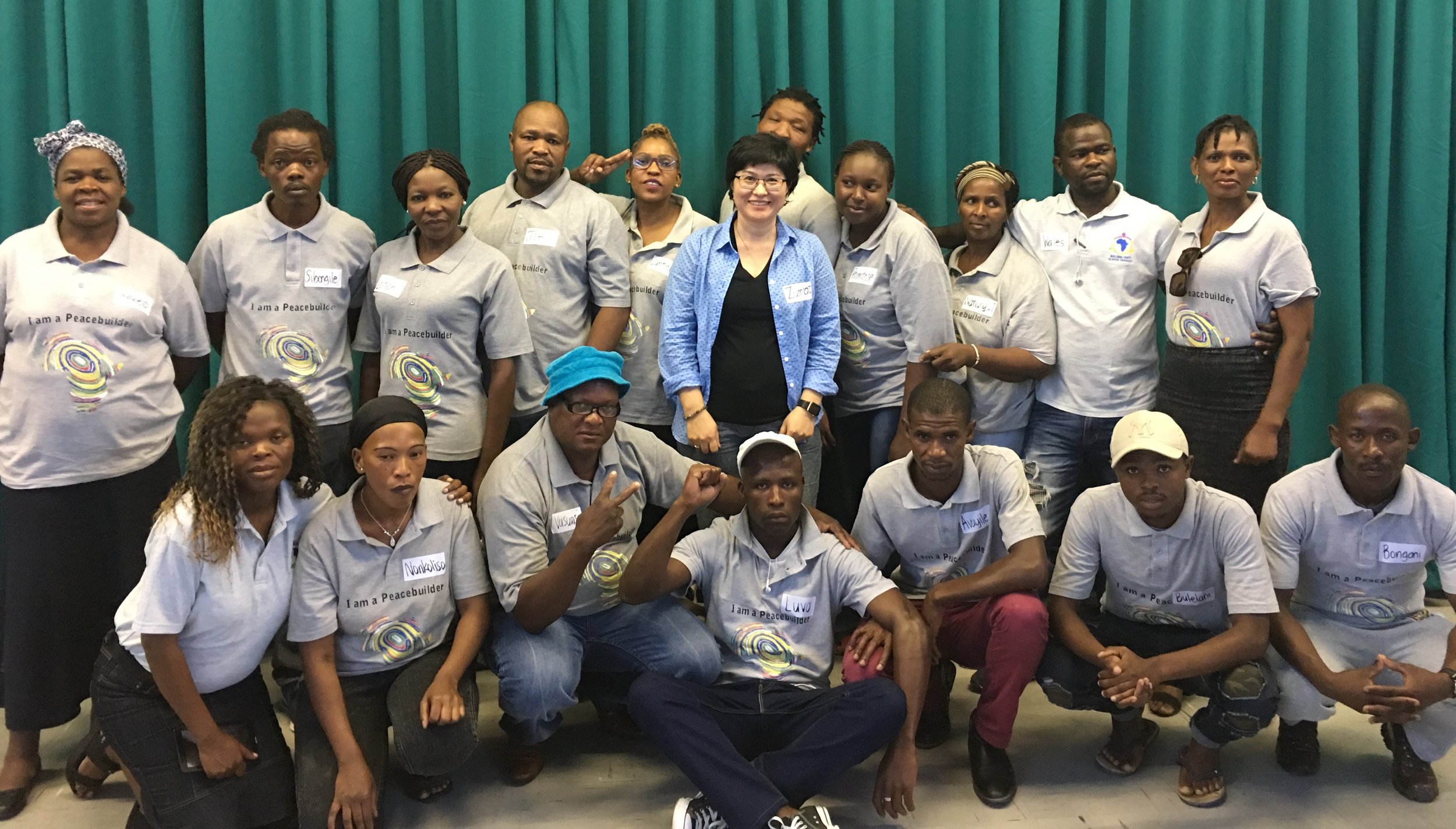
Evaluated community-based approaches to mitigating xenophobic violence in 16 hotspot communities, assessing the effectiveness of interventions aimed at strengthening social cohesion and reducing tensions. Led mixed-methods data collection and analysis to identify what worked, where impact was constrained, and how models could be adapted for similar conflict-prone settings.
Evaluation Findings Summary: The evaluation found that community-level initiatives effectively enhanced social cohesion and local capacity to prevent violence, though broader impact was limited by the short implementation period and baseline data gaps. It highlighted the value of sustaining local peace structures and provided lessons for scaling and adapting conflict mitigation models in comparable contexts.
Kyrgyzstan | Peacebuilding Needs and Priorities Assessment (2013)
Commissioner: UN Peacebuilding Support Office (PBSO)
Contractor: PeaceNexus Foundation
Role: Senior Research Consultant / Team Leader
Led a national peacebuilding needs assessment following the 2010 inter-ethnic violence, analyzing governance, socio-cultural, economic, and security factors affecting peace and stability. Presented findings at multi-stakeholder workshops and developed and validated actionable recommendations that informed national peacebuilding strategies and donor coordination. The assessment contributed to Kyrgyzstan securing $18 million from the UN Peacebuilding Fund to support programs on social cohesion and community resilience.
Assessment Summary: Drawing on extensive field consultations and desk research, the assessment identified weak governance, low institutional trust, ethnic polarization, and socioeconomic inequalities as central peacebuilding challenges. It highlighted opportunities for strengthening inclusive governance, civic identity, women’s participation, and local peace mechanisms. Findings shaped UN–Government collaboration under the Peacebuilding Fund and guided the development of the Kyrgyzstan Peacebuilding Priority Plan.
Iraq | Program Vulnerability Assessment (2011–2012)
Commissioner: U.S. Agency for International Development (USAID/Iraq)
Contractor: QED Group LLC
Role: Senior Consultant
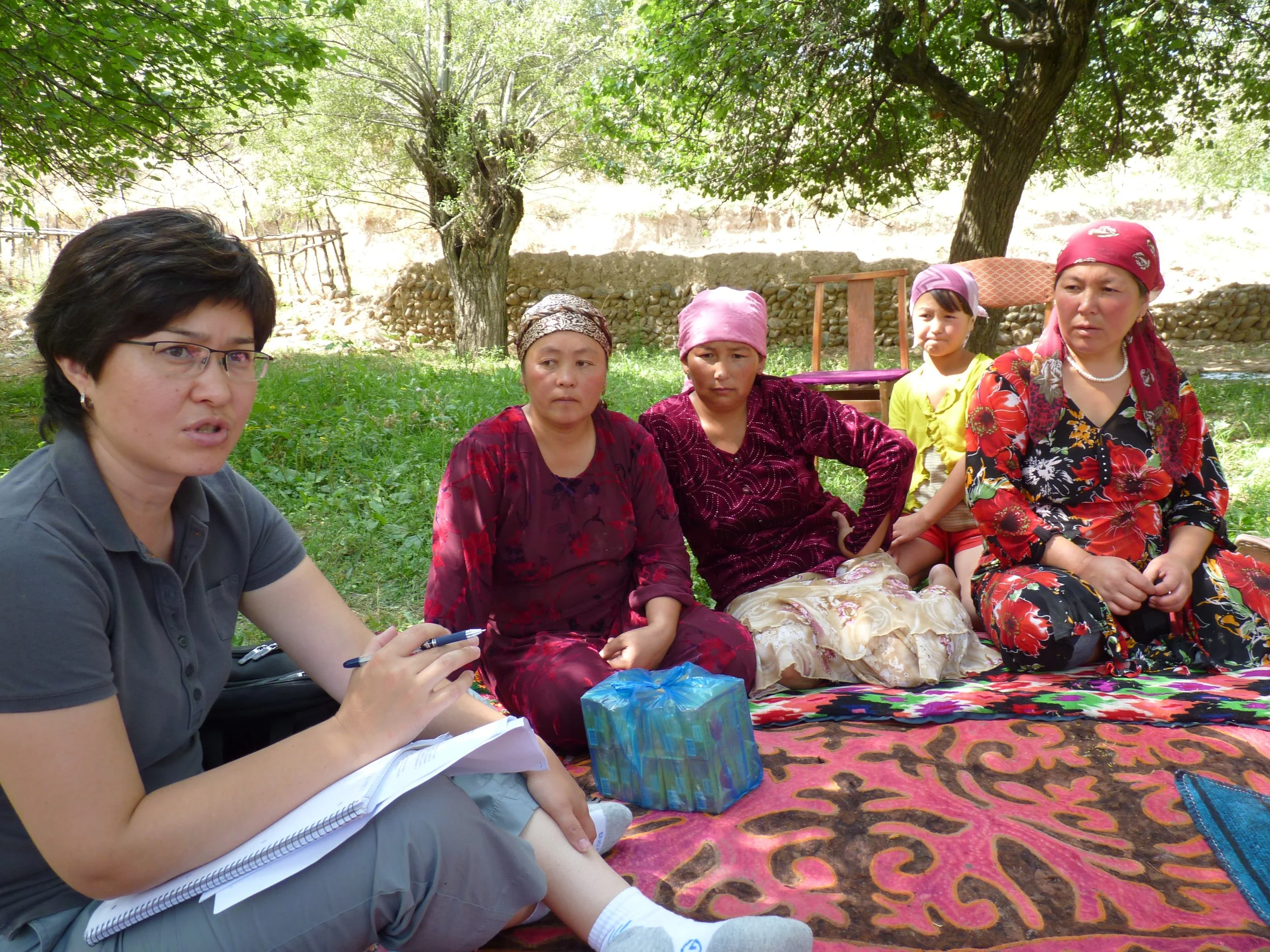
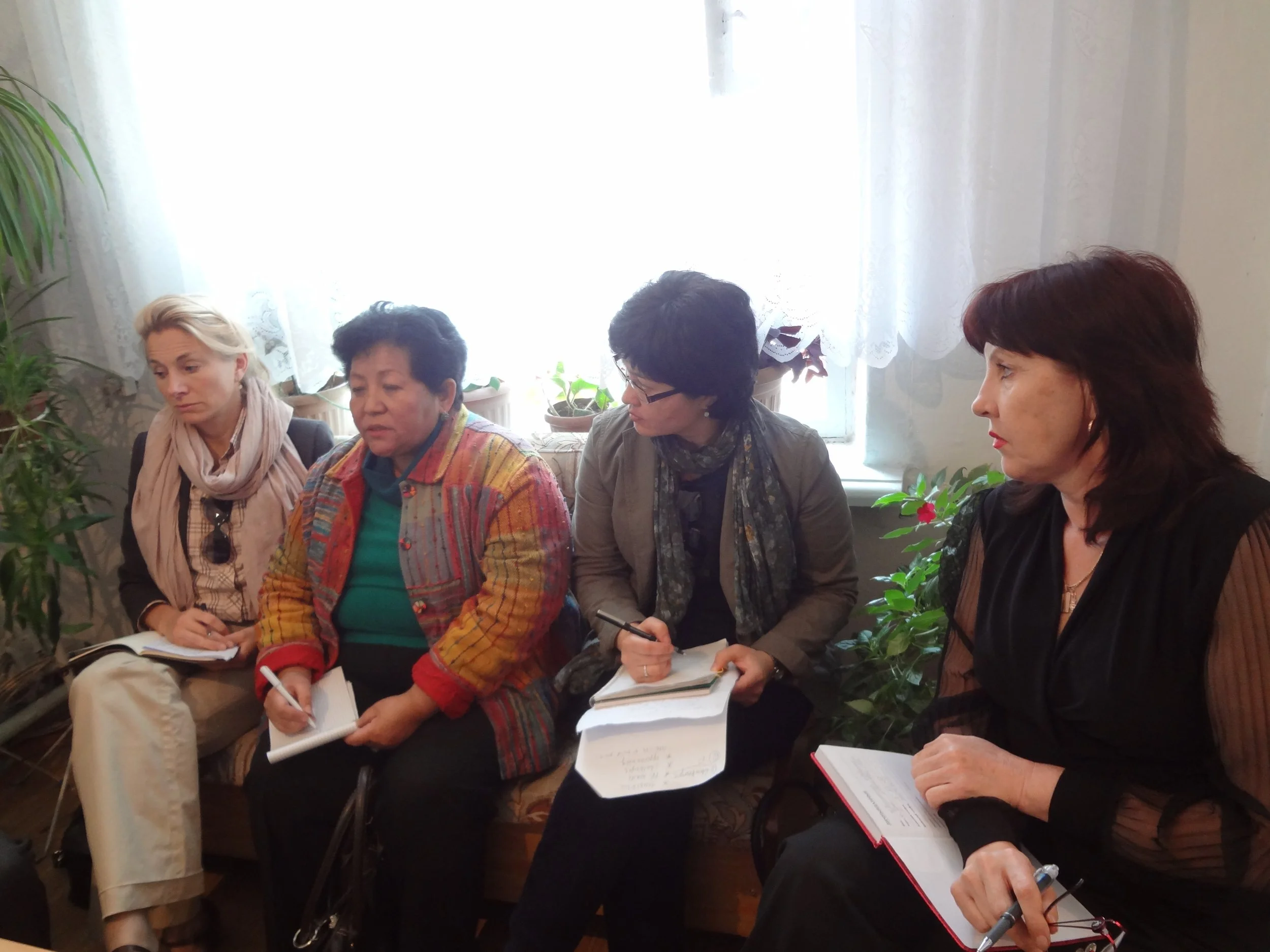
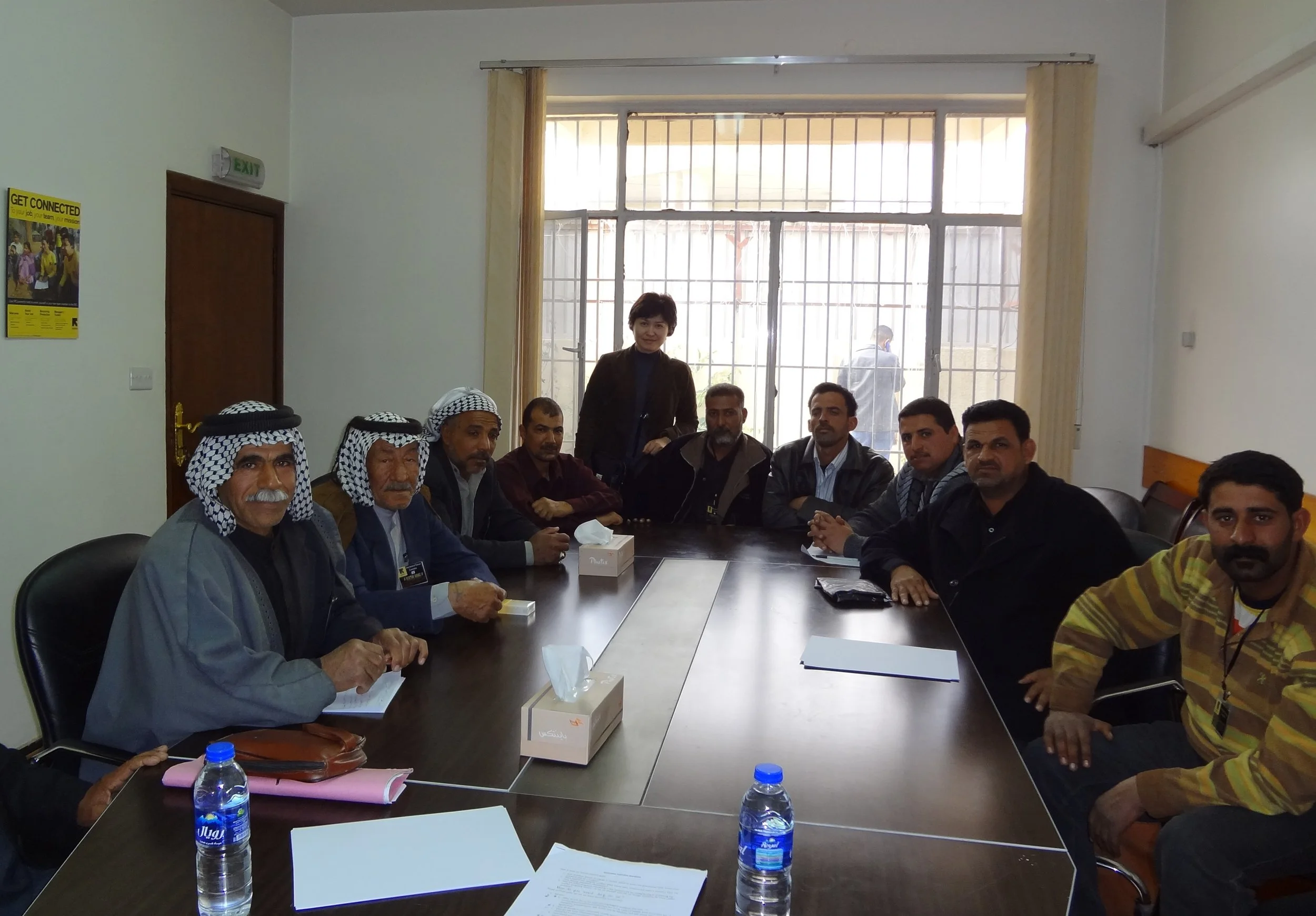
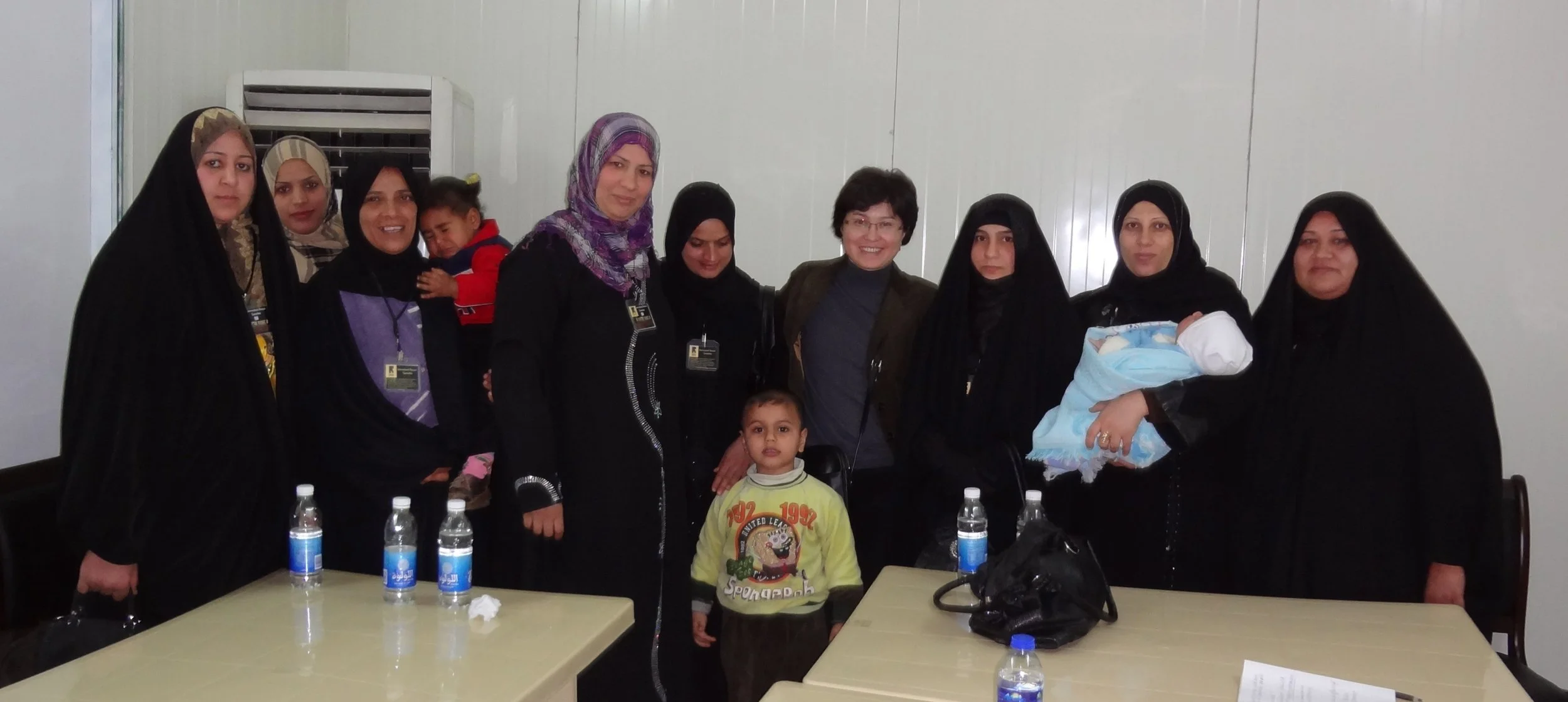
Contributed to a vulnerability assessment to inform USAID/Iraq’s conflict-sensitive programming. Co-led desk research and developed the assessment methodology, research questions, and data collection protocols. Managed a local team of experts and interpreters, and conducted focus group discussions, group interviews, and in-depth interviews with stakeholders across Iraq. Synthesized qualitative findings and contributed to the assessment report, including actionable recommendations to strengthen conflict-sensitive program development, implementation and stabilization efforts.
Kyrgyzstan | Gender-Sensitive Post-Conflict Needs Assessment (2010–2011)
Commissioner: UN Women / UN Protection Cluster
Contractor: UN Women Kyrgyzstan
Role: International Expert-Consultant
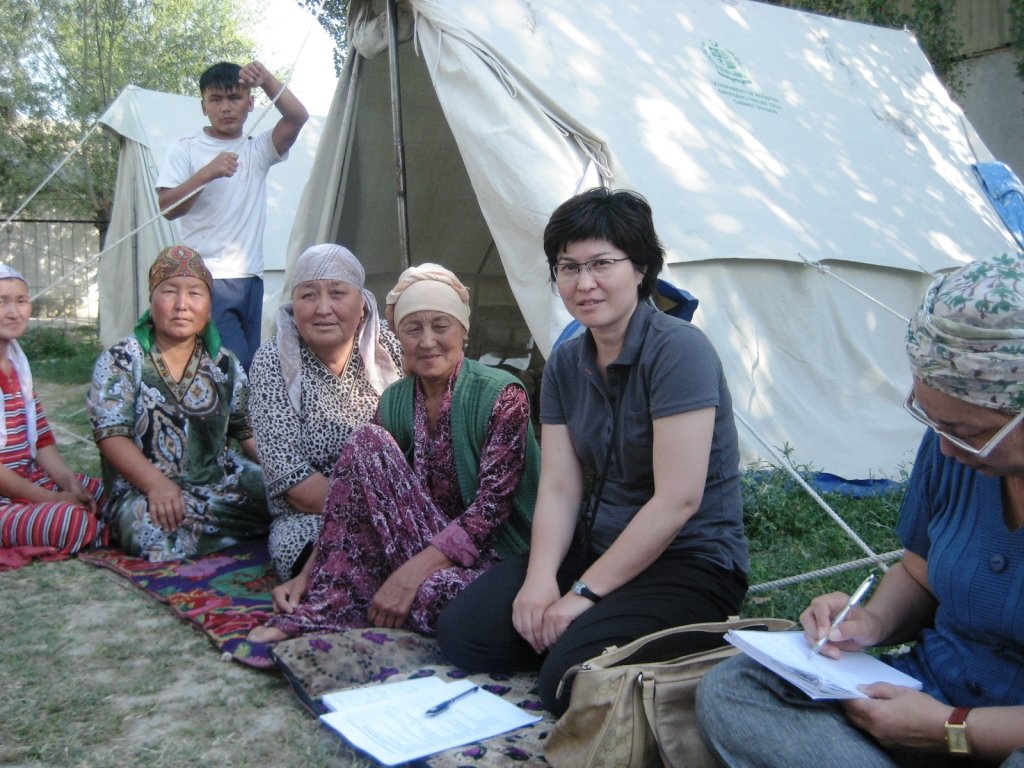
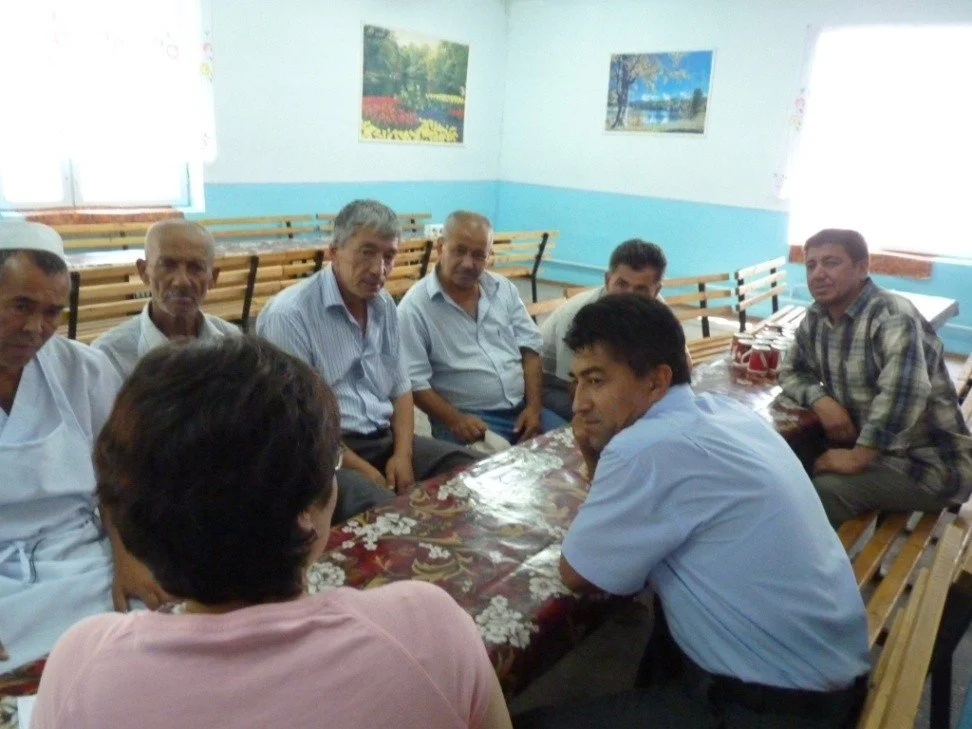
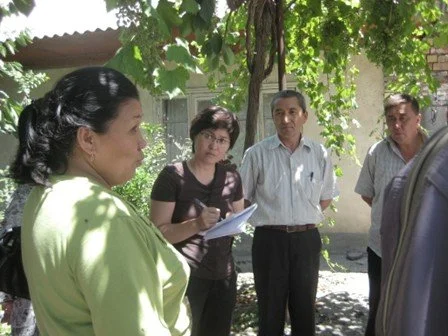
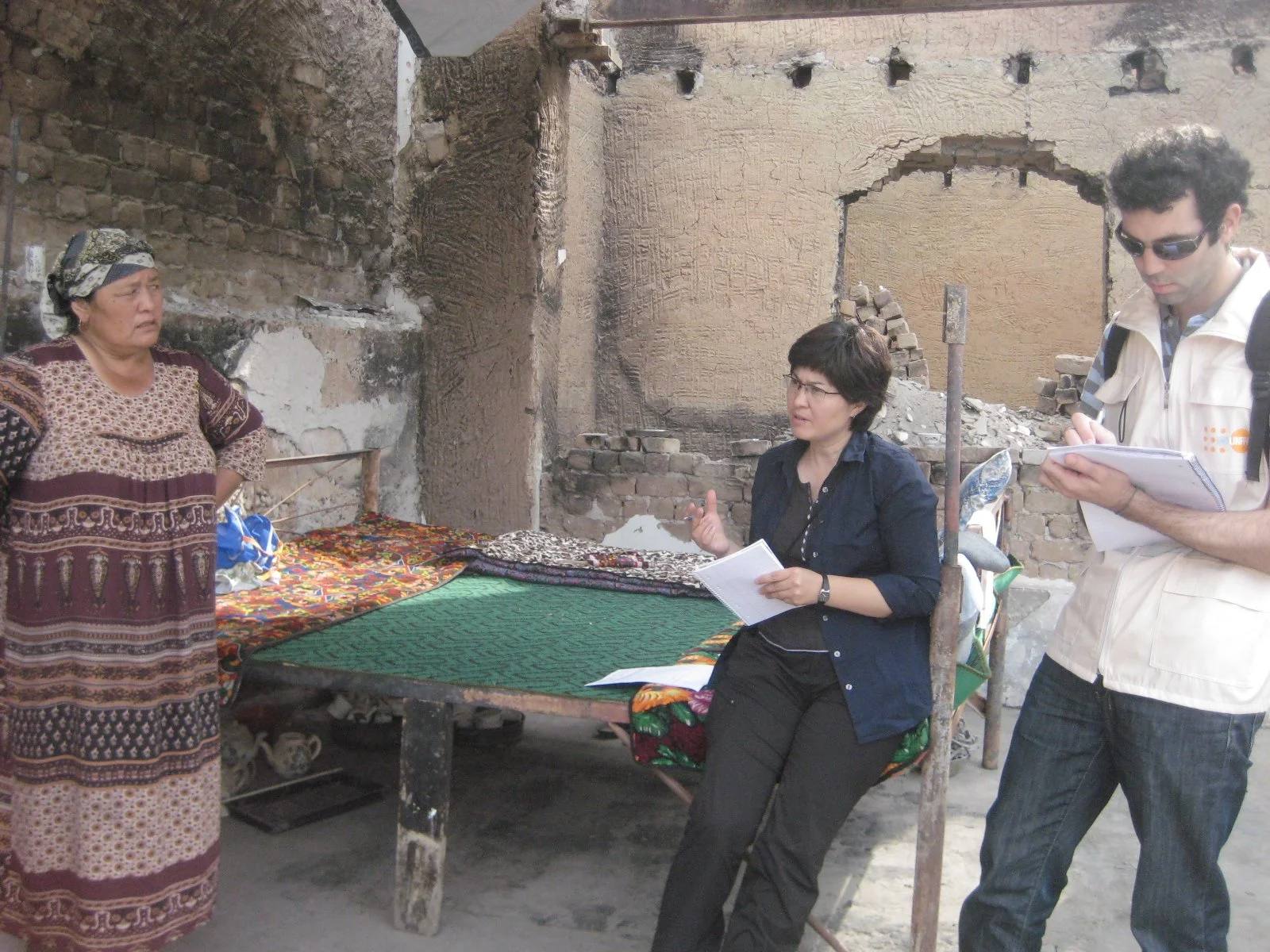
Led a gender-sensitive assessment of peace, reconciliation, and protection needs in southern Kyrgyzstan in the aftermath of the 2010 inter-ethnic conflict. Designed and implemented mixed-methods research—including surveys of 519 respondents (255 female and 264 male), focus groups, and key-informant interviews—to identify protection, recovery, and social cohesion priorities for affected populations.
Assessment Summary: The assessment analyzed the experiences and priorities of women, internally displaced persons, and marginalized groups across Osh, Jalalabad, and Bishkek. It identified urgent protection and recovery needs, service delivery gaps, and opportunities to strengthen community cohesion and women’s participation in peacebuilding. Findings informed the National Concept on Ethnic Policy and Consolidation of Kyrgyzstan, later endorsed by the President, and guided the UN Country Team’s Peacebuilding Strategy.
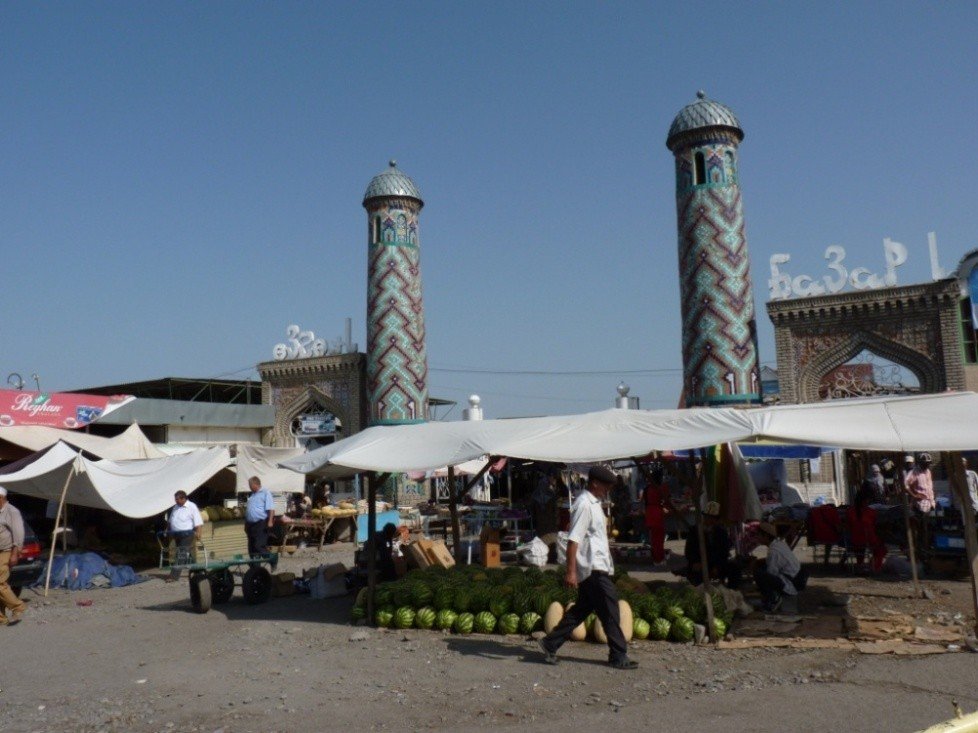

Kyrgyzstan, Tajikistan, Uzbekistan | Gender Dimensions of Early Warning and Conflict Prevention in the Ferghana Valley (2005–2007)
Commissioner: United Nations Development Fund for Women (UNIFEM)
Implementing Partner: UNIFEM CIS Regional Office
Role: Regional Manager
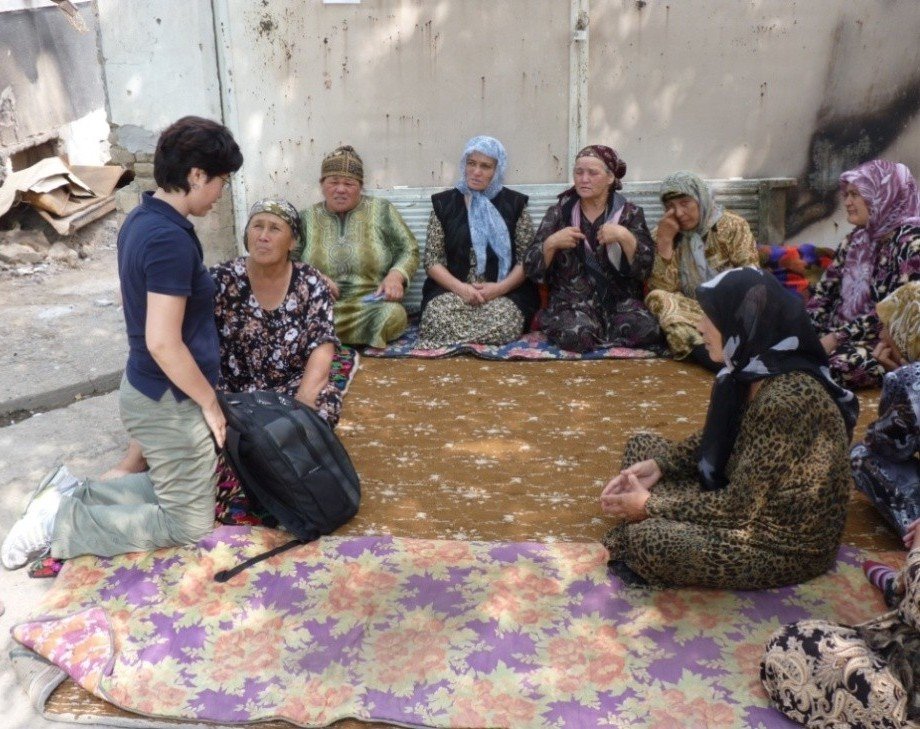
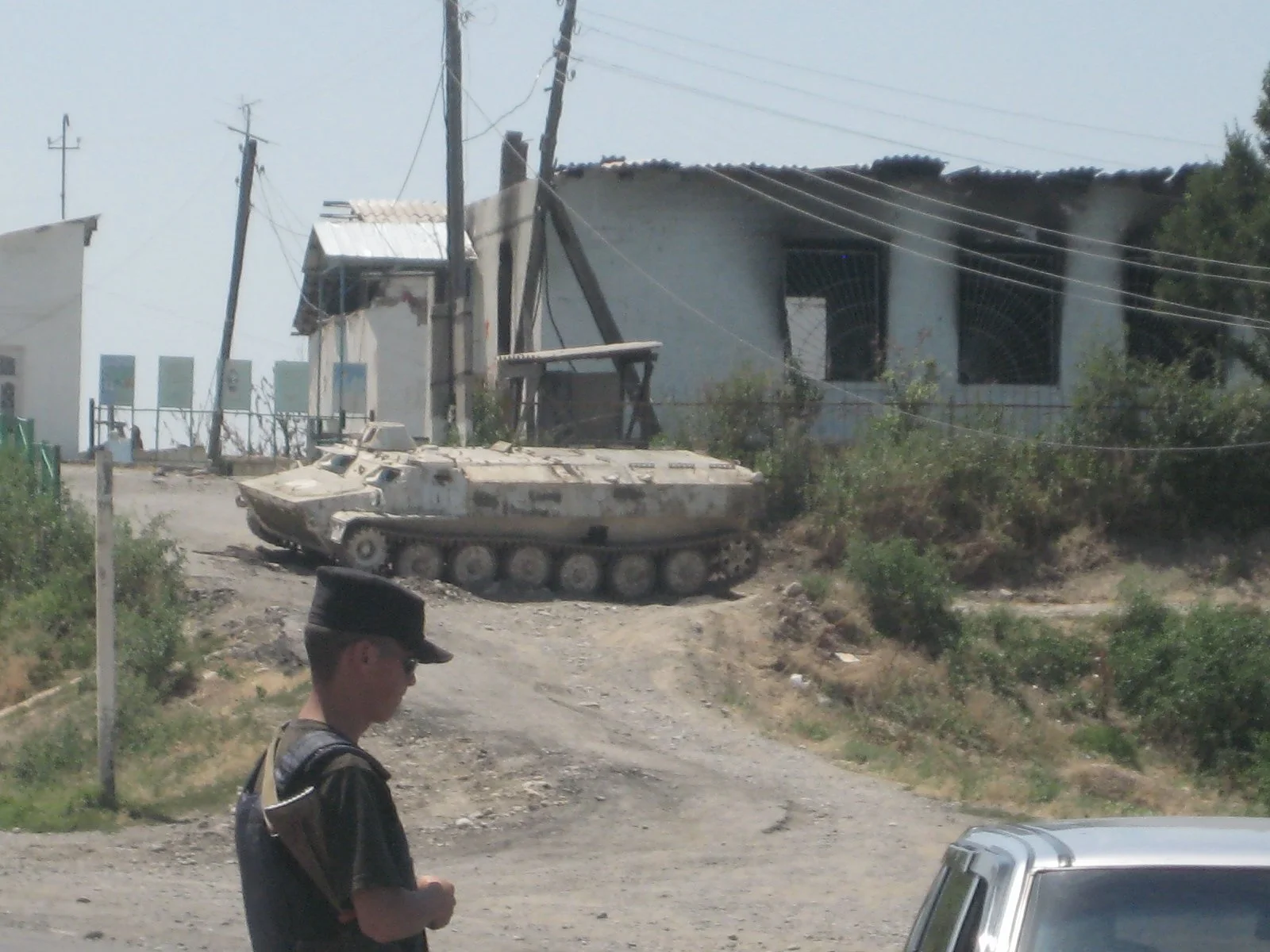
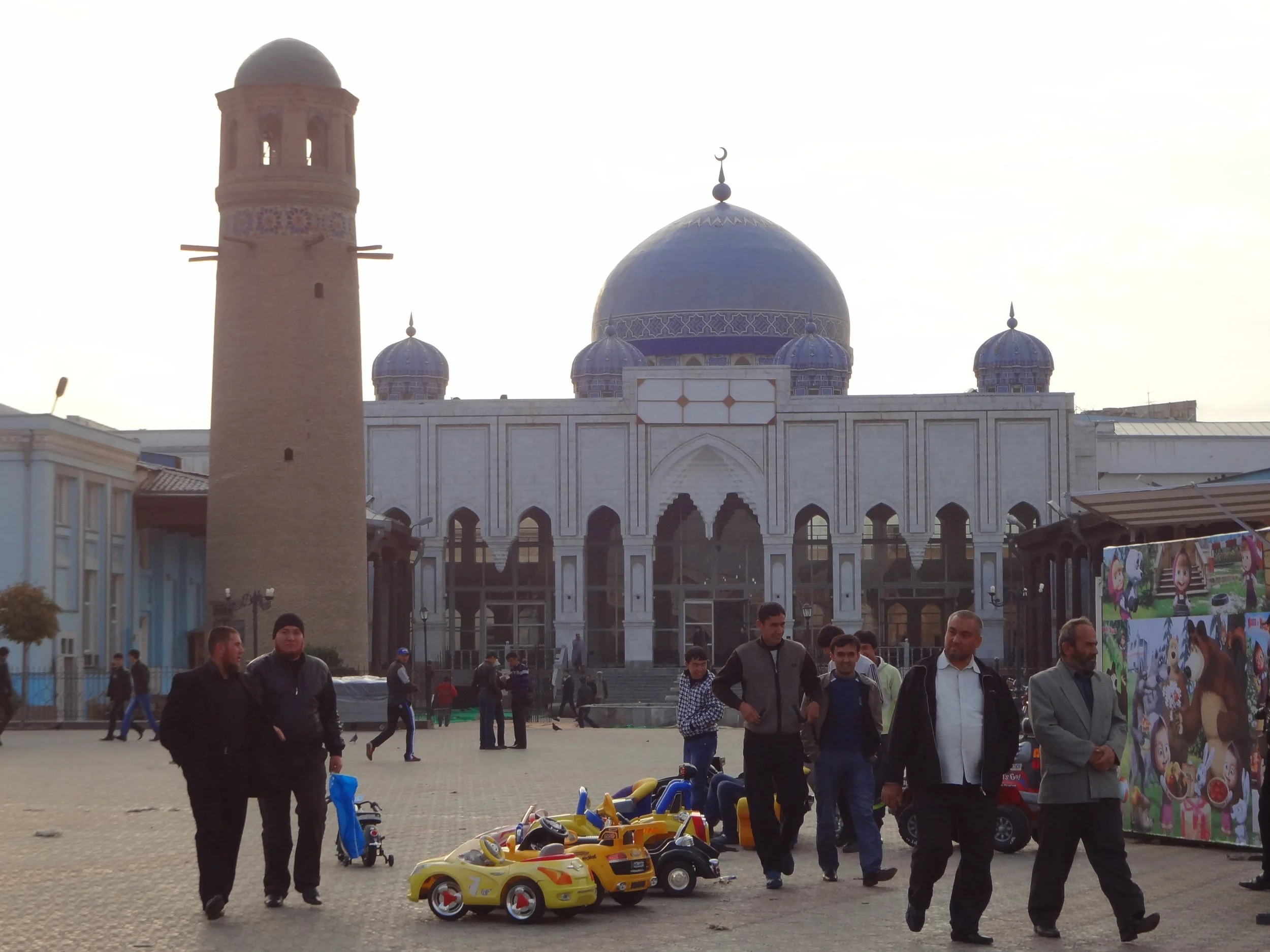
Led the design and implementation of a pilot gender-sensitive early warning and conflict prevention system across the Ferghana Valley. Supervised a multinational team across two countries and developed indicators, analytical tools, and partnerships with governments, civil society, international, and regional organizations to identify and mitigate conflict risks through gender-responsive approaches.
Publication Summary: The study examined how social, economic, and gender inequalities contributed to tension and potential conflict in one of Central Asia’s most volatile regions. Using mixed methods and 26 gender-sensitive indicators, it identified root causes—including limited access to land, water, and employment, and the exclusion of women from decision-making. Findings highlighted the importance of integrating gender perspectives into early warning and peacebuilding systems and informed the establishment of regional monitoring networks and UN–government strategies for inclusive conflict prevention across Kyrgyzstan, Tajikistan, and Uzbekistan.