
Thematic Focus | Migration, Refugees & Internally Displaced Persons
My work in this area focuses on evaluating humanitarian and stabilization programs supporting internally displaced persons (IDPs), refugees, and migrants affected by conflict and crisis. The evaluations I led examined how emergency assistance, integration efforts, and policy frameworks promote protection, resilience, and inclusion among displaced and host communities across Ukraine, Syria, Jordan, Lebanon, Turkey, and Kyrgyzstan.
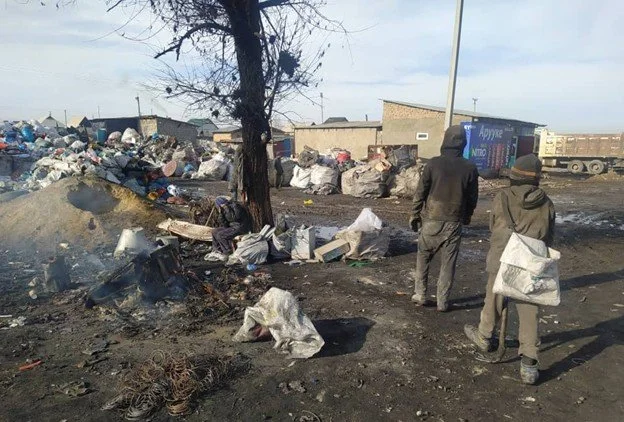
Altyn-Kazyk illegal settlement near Bishkek, January 2021
Kyrgyzstan | Scoping Study of Internal Migrants in Illegal Settlements (2020–2021)
Commissioner: Swiss Agency for Development and Cooperation (SDC)
Contractor: Independent Consulting Team
Role: Study Team Lead
Led a scoping study on the living conditions and vulnerabilities of internal migrants residing in informal settlements around Bishkek and Osh. Designed the study methodology, managed research teams, and oversaw surveys and institutional mapping. Synthesized qualitative and quantitative data, produced the final report, and facilitated a validation workshop with key stakeholders. Findings informed SDC’s leadership and national dialogue on internal migration and urban development.
Study Summary: This mixed-methods study provided the first comprehensive overview of internal migration trends in informal settlements in Kyrgyzstan. Using a telephone survey and qualitative research across Bishkek and Osh, it examined migration drivers, socio-economic vulnerabilities, access to services, and institutional responses during COVID-19. Findings highlighted significant gaps in housing, employment, and legal protections, informing SDC’s strategic planning and national discussions on internal migration.
Ukraine | Evaluation of the Effectiveness of Multilateral Partners in Assisting Internally Displaced Persons (2016–2017)
Commissioner: U.S. Department of State, Bureau of Population, Refugees, and Migration (PRM)
Contractor: Social Impact, Inc.
Role: Team Leader / Senior Evaluation Specialist
Led a performance evaluation of PRM-funded programs implemented by UNHCR, IOM, ICRC, and UNFPA to assess the effectiveness of assistance to internally displaced persons (IDPs) and readiness for the transition from relief to development. Designed the evaluation methodology, managed field data collection across five regions, synthesized findings, and briefed PRM and partners to validate results and support coordination and decision-making.
Evaluation Findings Summary: The evaluation reviewed how four multilateral partners supported Ukraine’s internally displaced population between 2014 and 2016. It found that PRM partners effectively met immediate humanitarian needs—including protection, psychosocial support, and legal aid—and contributed to local integration efforts. However, sustainability was hindered by limited humanitarian–development coordination and gaps in livelihood and housing support. Recommendations emphasized stronger government engagement, improved data sharing, and more strategic planning for the humanitarian–development transition.
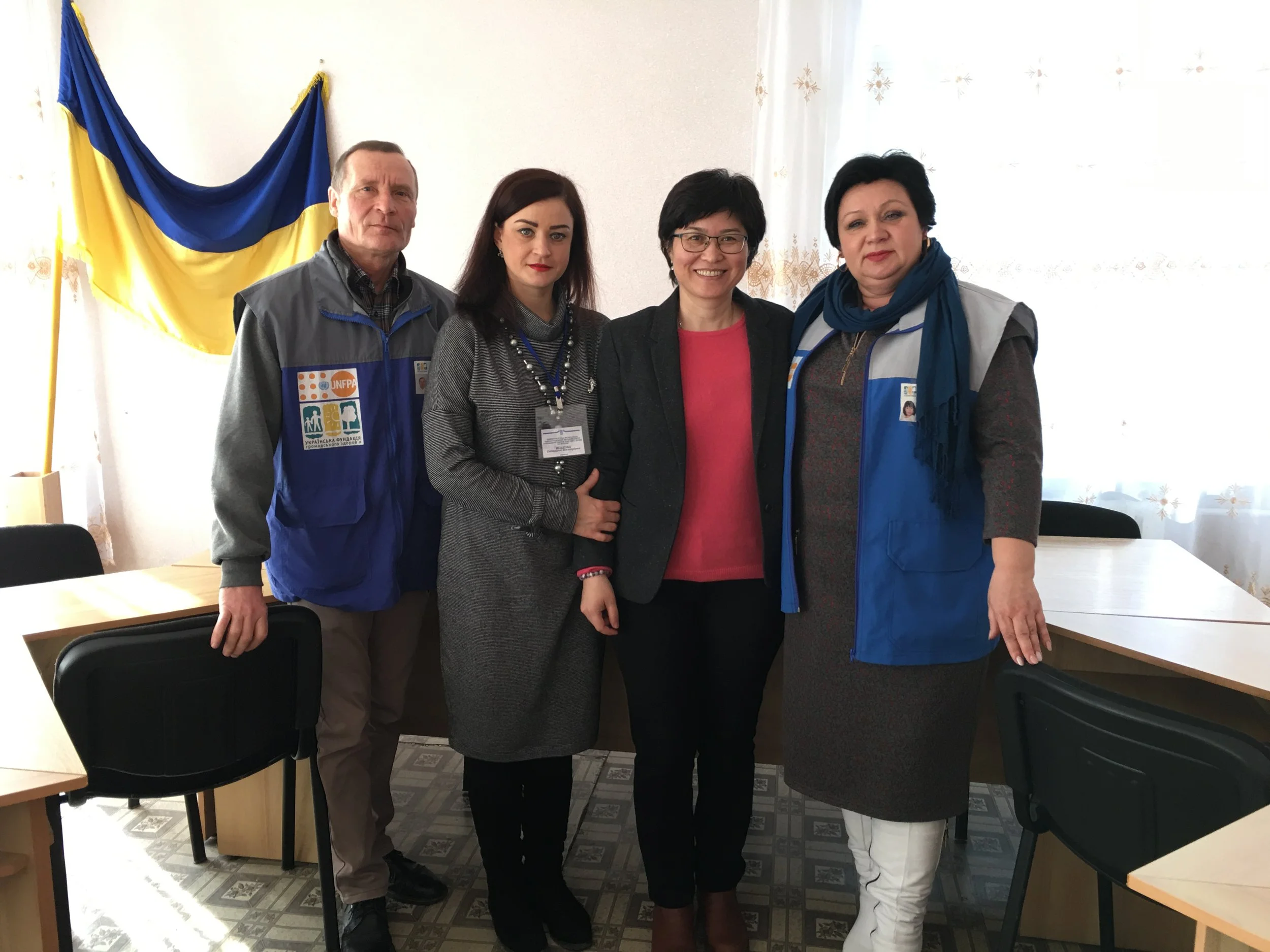
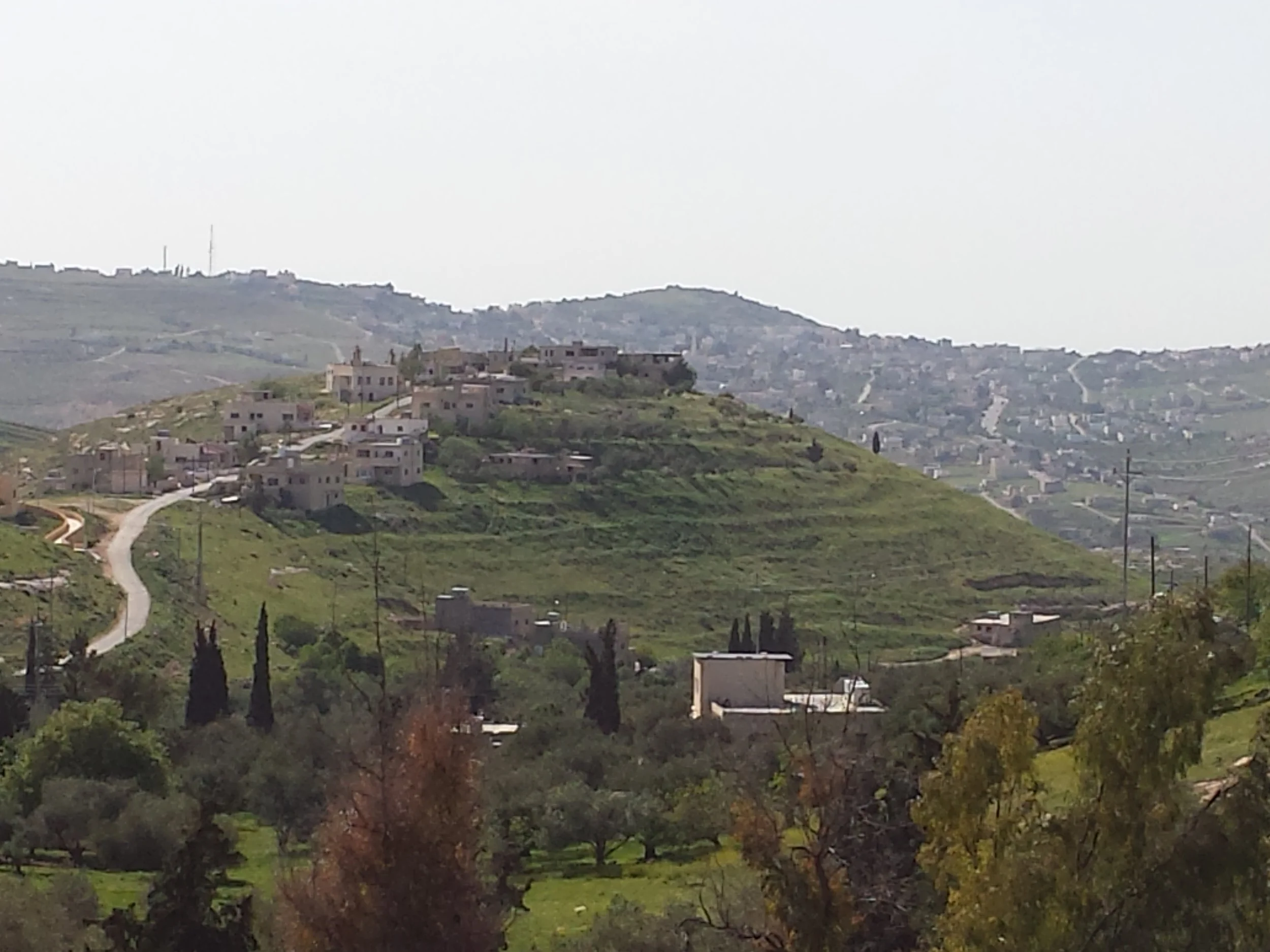
An evaluation site visit in Poltava, Ukraine
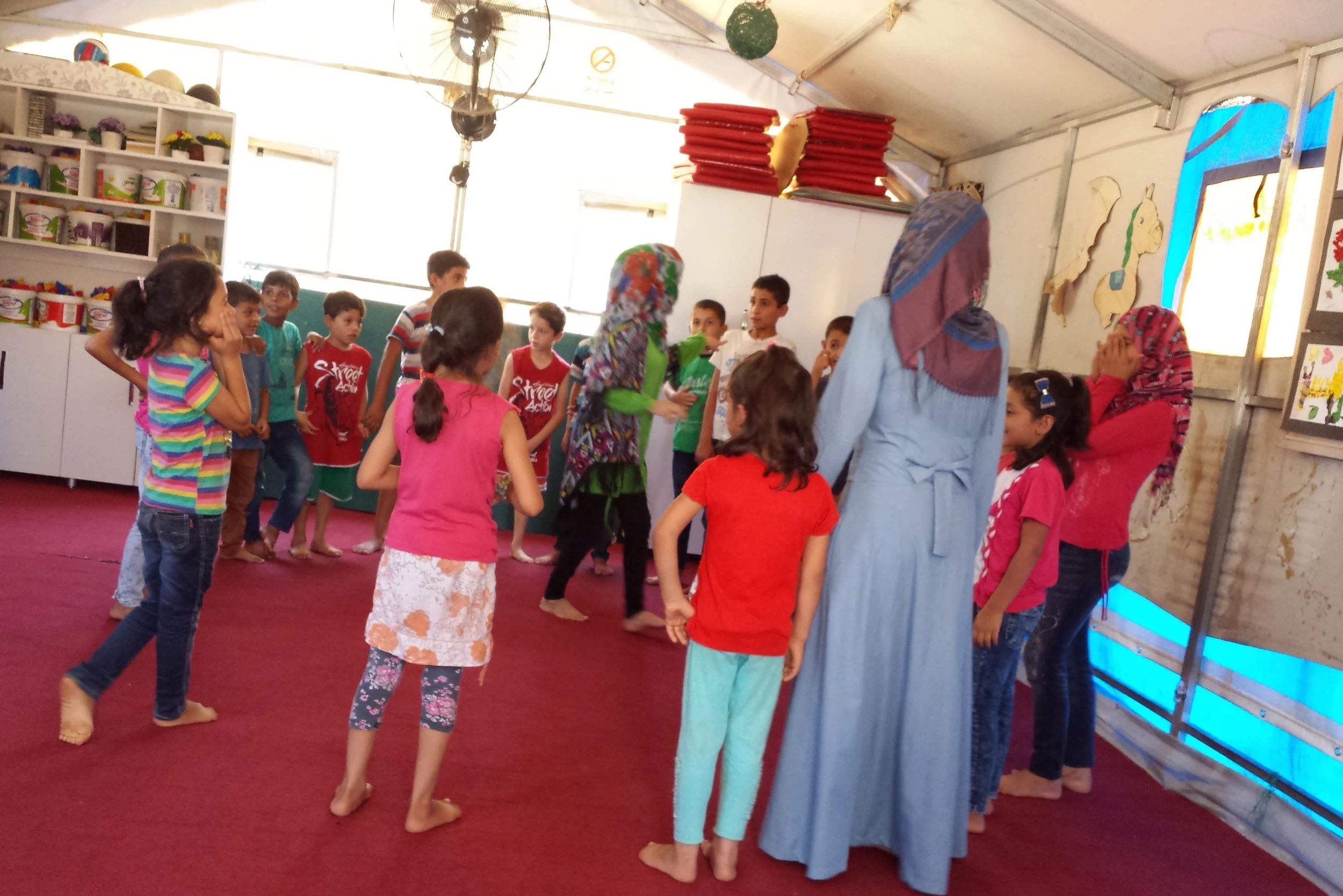
Jordan, Türkiye, Lebanon | Evaluation of Refugee Shelter, Health, and Education Programs (2015–2017)
Commissioner: U.S. Department of State, Bureau of Population, Refugees, and Migration (PRM)
Contractor: Social Impact, Inc.
Role: Team Leader / Senior Evaluation Specialist
Led a multi-country performance evaluation of PRM-funded programs implemented by UNHCR, UNICEF, IOM, and NGO partners to assess the effectiveness and sustainability of shelter, health, and education assistance for Syrian and Iraqi refugees in Jordan, Türkiye, and Lebanon. Designed the evaluation methodology, developed data collection tools, coordinated fieldwork with partners, and conducted interviews and focus groups. Briefed PRM on findings and provided actionable recommendations.
Country & Synthesis Reports
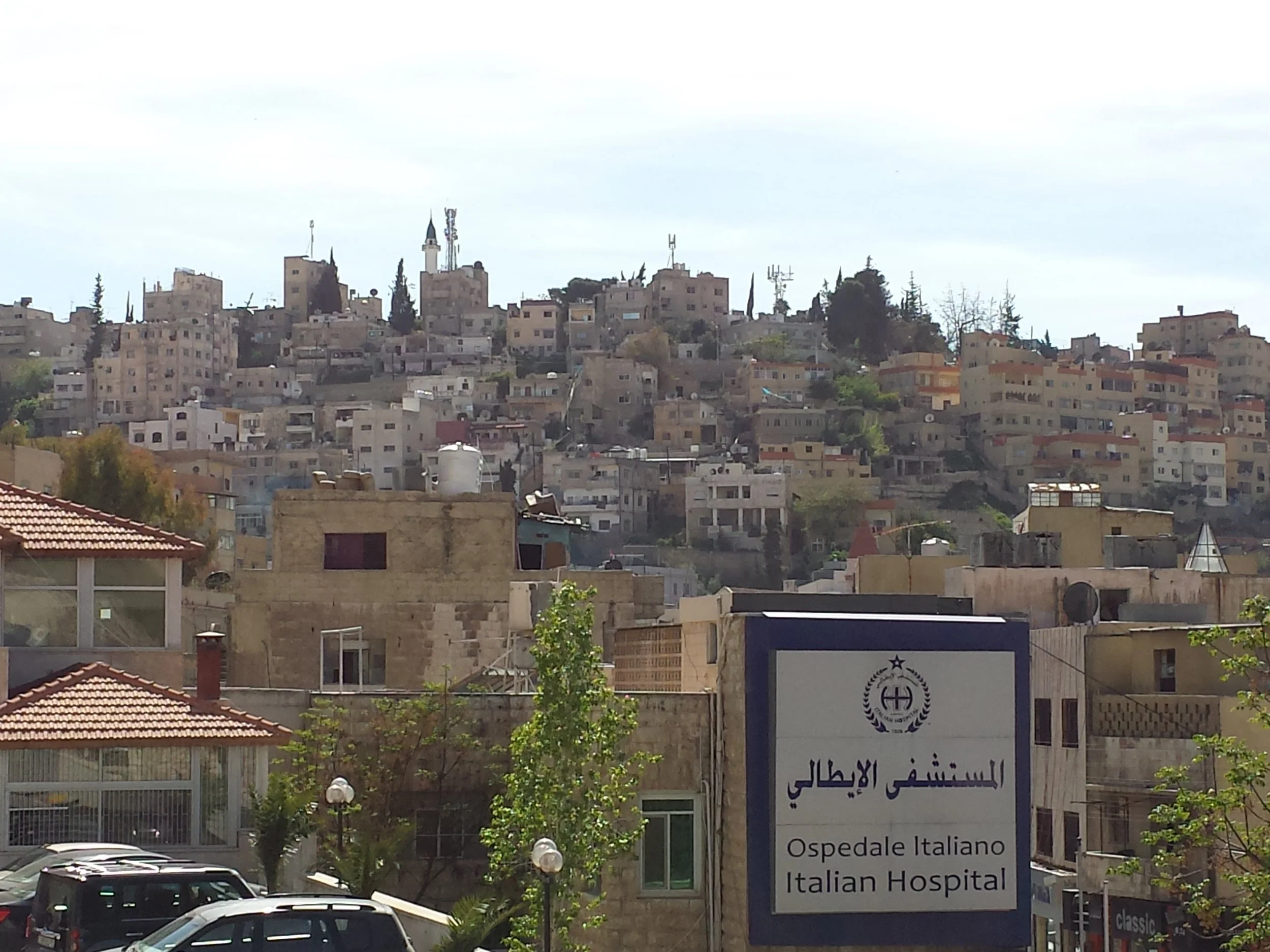
Jordan | Evaluation Findings Summary: Assessed PRM-funded shelter, health, and education programs implemented by UNHCR, IMC, Caritas, NRC, and UNICEF. Findings showed improved access to healthcare, psychosocial support, and education for refugees and vulnerable host populations. Shelter and rental assistance reduced housing insecurity, while initiatives like UNICEF’s Makani centers strengthened learning and stability for displaced children. Challenges included sustainability, limited livelihood opportunities due to government restrictions, and uneven outreach to Iraqi refugees and southern communities.
Türkiye | Evaluation Findings Summary: Reviewed PRM-supported programs delivered by UNICEF, UNHCR, IOM, DRC, and CRS, focusing on education, health, and protection. Programs effectively delivered psychosocial and emergency health services and expanded children’s access to education through Temporary Education Centers and community-based initiatives. Community centers helped strengthen host–refugee relations. Sustainability, however, was constrained by limited NGO operating space, coordination gaps with local civil society, and difficulties integrating refugees into national systems.
Synthesis Report | Summary: Consolidated findings from Jordan, Lebanon, and Türkiye to evaluate PRM’s multi-year regional response. PRM-funded programs were found to be relevant, effective, and critical in improving refugees’ quality of life. Partners adapted well to shifting contexts and contributed to systems strengthening, especially in mental health and education. Limitations included restrictive government policies, short funding cycles, and coordination challenges. Recommendations focused on improving targeting of vulnerable groups, strengthening feedback mechanisms, fostering local partnerships, and supporting multi-year planning for durable solutions.
Türkiye, Syria | Evaluation of Emergency Food Support to Conflict-Affected Populations (2015–2016)
Donor: U.S. Agency for International Development (USAID) / Food for Peace (FFP)
Commissioner: GOAL Global
Contractor: International Advisory, Products and Systems (iAPS)
Role: Team Leader / Project Performance Evaluation Specialist
Led the external performance evaluation of GOAL’s USAID-funded Emergency Food Support to Conflict-Affected People in Syria project. Designed the evaluation methodology based on OECD DAC criteria, managed field teams, developed data collection tools, and supervised data collection in Idlib Governorate. Conducted interviews, focus groups, and quantitative analysis to assess relevance, effectiveness, and sustainability. Presented findings and recommendations to GOAL and USAID to inform future programming.
Evaluation Findings Summary: This evaluation reviewed GOAL’s $85 million emergency food assistance program supporting conflict-affected families in northern Syria. The intervention was highly relevant and effective in addressing acute food insecurity among internally displaced and host communities. Food rations met immediate needs, while voucher-based assistance improved dietary diversity where markets functioned. Strengths included flexible delivery, strong local partnerships, and robust monitoring systems. Gaps related to micronutrient content, beneficiary communication, and feedback responsiveness. Recommendations focused on diversifying modalities (including cash and livelihood support), strengthening coordination, and improving accountability mechanisms.
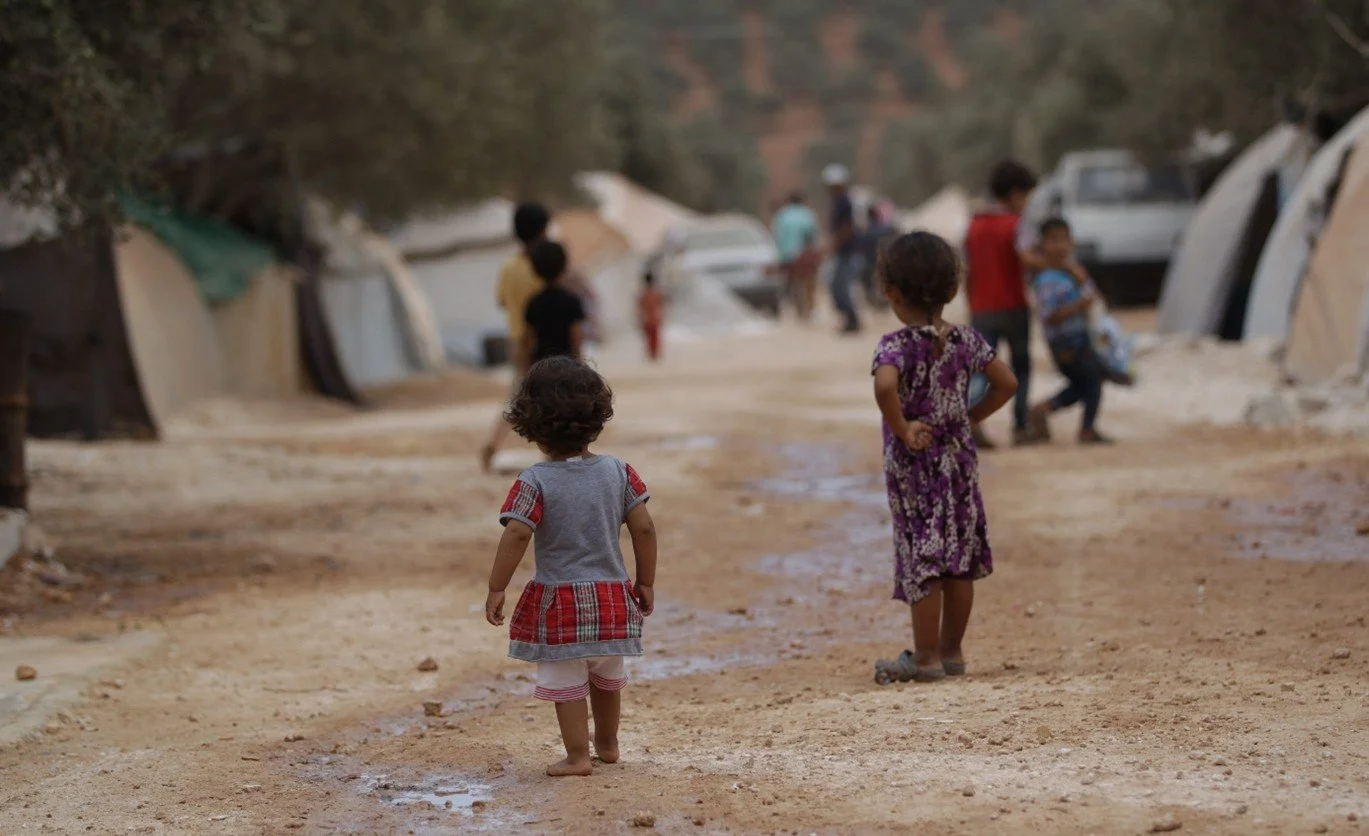
Photo Credit: iAPS
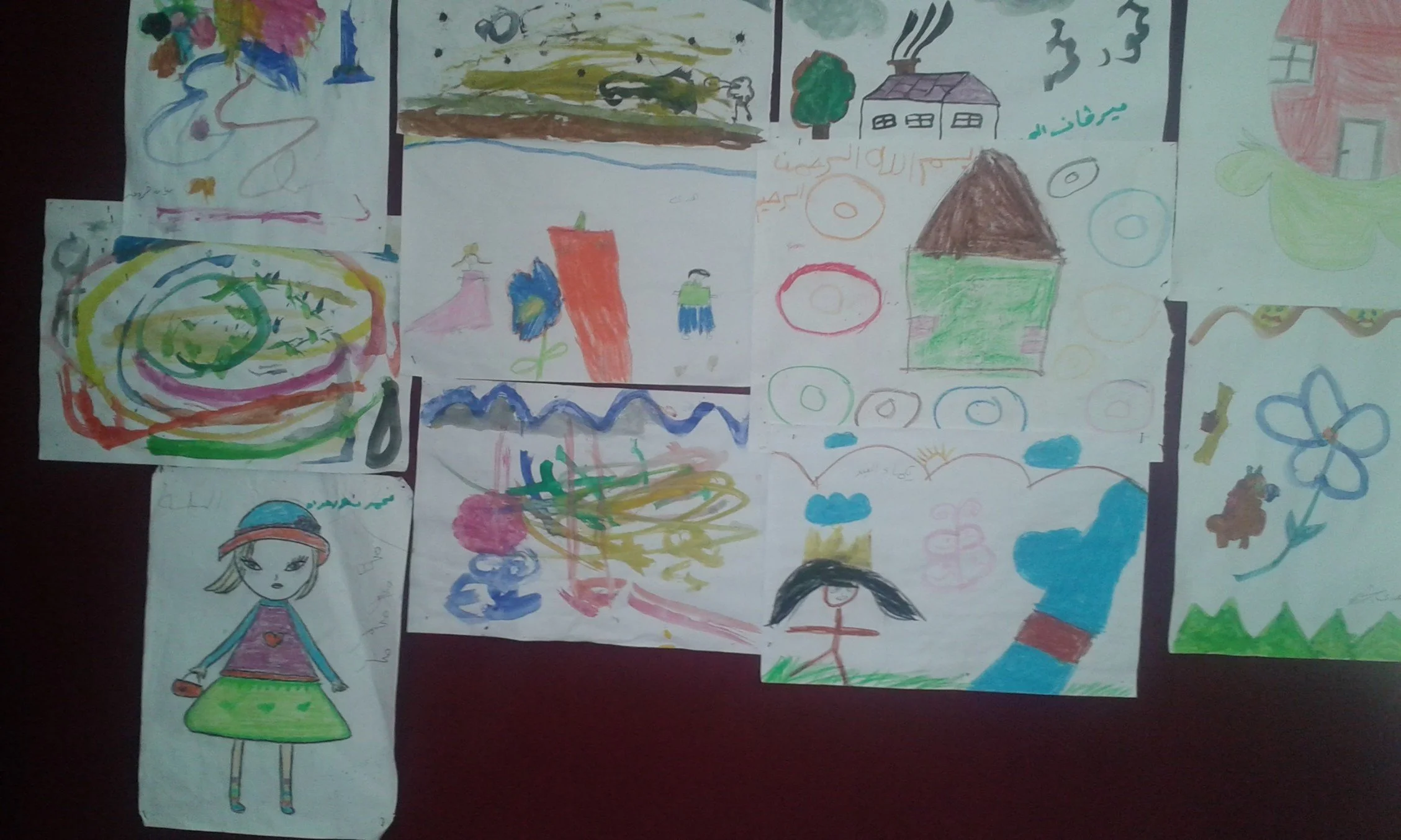
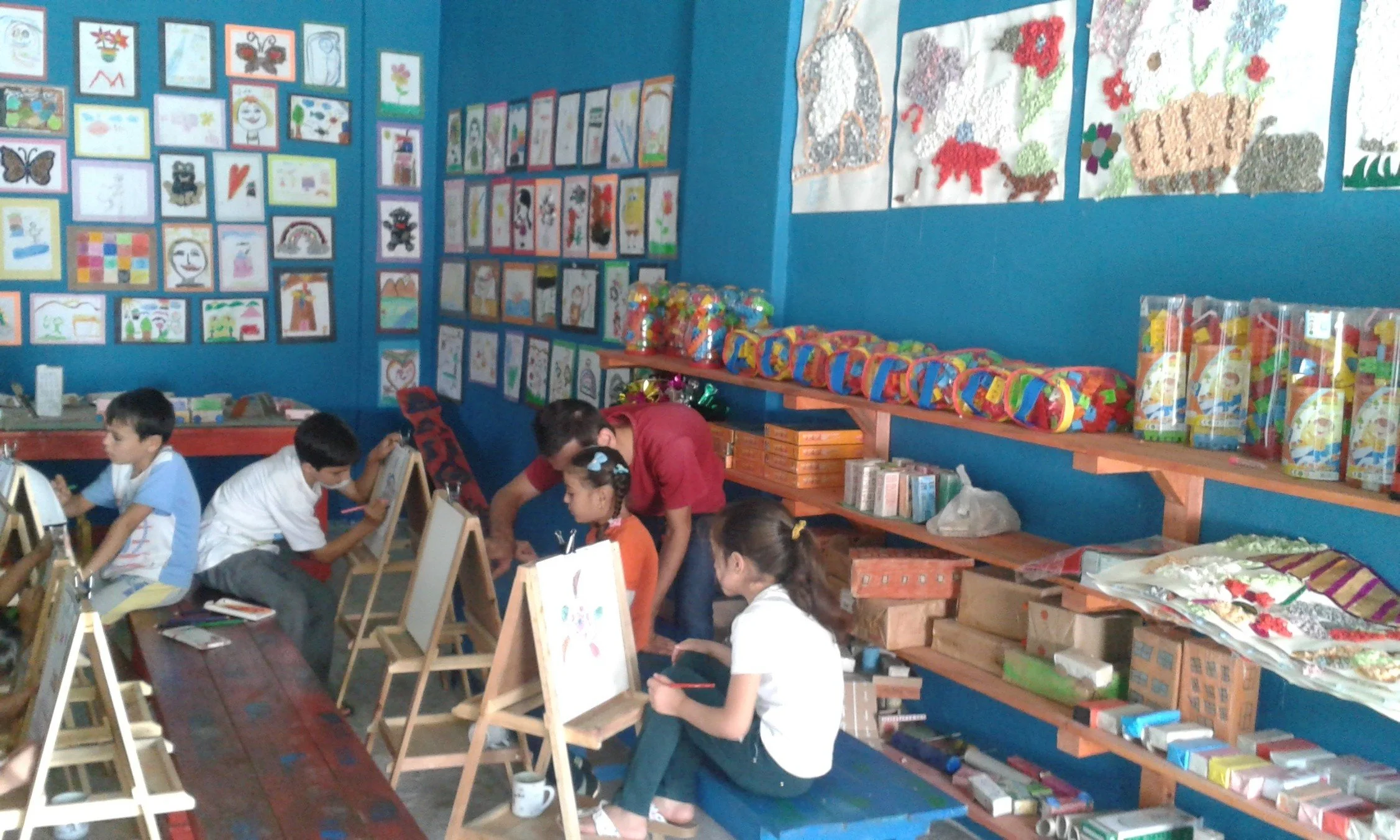
Children’s artwork created in safe spaces
Syria, Iraq, and Lebanon | Evaluation of Humanitarian Relief for Children and Families Affected by Conflict (2014–2015)
Donor: UK Foreign, Commonwealth & Development Office (formerly DFID)
Commissioner: Save the Children International
Contractor: International Advisory, Products and Systems (iAPS)
Role: Team Leader / Project Performance Evaluation Specialist
Led the external performance evaluation of Save the Children’s DFID-funded Humanitarian Relief for Children and Families Affected by the Conflict in Syria program. Implemented the evaluation across three country offices—Turkey, Iraq, and Lebanon—using OECD DAC evaluation criteria. Designed and executed the methodology, managed field teams, and oversaw data collection in northern Syria. Conducted interviews and focus groups with beneficiaries and stakeholders, synthesized findings, and delivered actionable recommendations to guide the next phase of humanitarian programming.
Evaluation Findings Summary: This evaluation reviewed Save the Children’s multi-country humanitarian response delivering emergency assistance in food security, child protection, education, and health. The program was found highly relevant and effective, reaching hard-to-access populations through flexible delivery models and strong community engagement despite significant operational constraints. Recommendations focused on improving data management, strengthening coordination across country offices, and enhancing monitoring systems to better guide future response and recovery efforts.