
Thematic Focus | Media, Communications & Information
My work in this area examines how media and strategic communication strengthen democratic resilience, counter disinformation, and promote inclusion. Evaluations and studies conducted across Ukraine, Myanmar, Lebanon, and Central Asia highlight how context-sensitive, evidence-based communication approaches can foster trust, tolerance, and social cohesion in complex environments.
Ukraine | Transformation Communications Activity Evaluation (2023–2024)
Commissioner: U.S. Agency for International Development (USAID/Ukraine)
Contractor: Social Impact, Inc.
Role: Senior Evaluation Specialist / Team Lead
Led the evaluation of USAID’s Ukraine Transformation Communications Activity (TCA), assessing the effectiveness of strategic communications and media initiatives designed to strengthen democratic resilience, counter disinformation, and promote Ukraine’s European integration. Guided the evaluation design, supervised a six-member research team, facilitated data collection and training, and delivered regional briefings and the final evaluation report with actionable recommendations.
Evaluation Findings Summary: The mid-term evaluation found that TCA significantly strengthened data-driven communication and strategic messaging across government, civil society, and the creative sector. Effective campaigns promoted democratic reforms, countered disinformation, and fostered public optimism through evidence-based and inclusive content. The integration of gender equality and women’s empowerment contributed meaningfully to shaping public narratives around unity and democratic transformation. Recommendations emphasized continued capacity building for government partners, deeper collaboration with the creative sector, and expanded post-campaign research to assess audience impact.


Photo Credit: Transformation Communications Activity
Myanmar, Lebanon, and EU Countries | Evaluation of Media Approaches to Protecting Religious Freedom (2020–2022)
Commissioner: U.S. Department of State, Bureau of Democracy, Human Rights, and Labor (DRL), International Religious Freedom Office
Contractor: Resonance Global
Role: Evaluation Team Lead / Senior Evaluator
Led the multi-country performance evaluation of media and communications approaches promoting religious freedom and tolerance. Designed the evaluation methodology and tools, managed a team of evaluators, and oversaw remote data collection across Myanmar, Lebanon, and EU member states. Conducted interviews, focus groups, and surveys, synthesized findings into actionable recommendations, and facilitated inception and validation workshops for DRL and partners.
Evaluation Findings Summary: This evaluation provided the first portfolio-wide analysis of media initiatives promoting religious freedom and tolerance online. Using mixed methods, it assessed the effectiveness and efficiency of social media interventions aimed at countering hate speech and intolerance. Programs were most successful when they used emotionally engaging storytelling, locally contextualized content, and collaboration with credible change agents such as youth, journalists, and civil society organizations. The evaluation introduced a practical framework for analyzing programs countering hate speech—categorizing interventions by type, intended domain of change (public, government/policy, or media platforms), and key change agents (policymakers, CSOs, journalists, the online public, and social media companies). Challenges included attributing behavioral change, limited monitoring tools, and inconsistent platform responsiveness. Recommendations emphasized investing in media literacy for youth, strengthening partnerships with social media companies, and leveraging regional synergies for cross-country learning and advocacy.
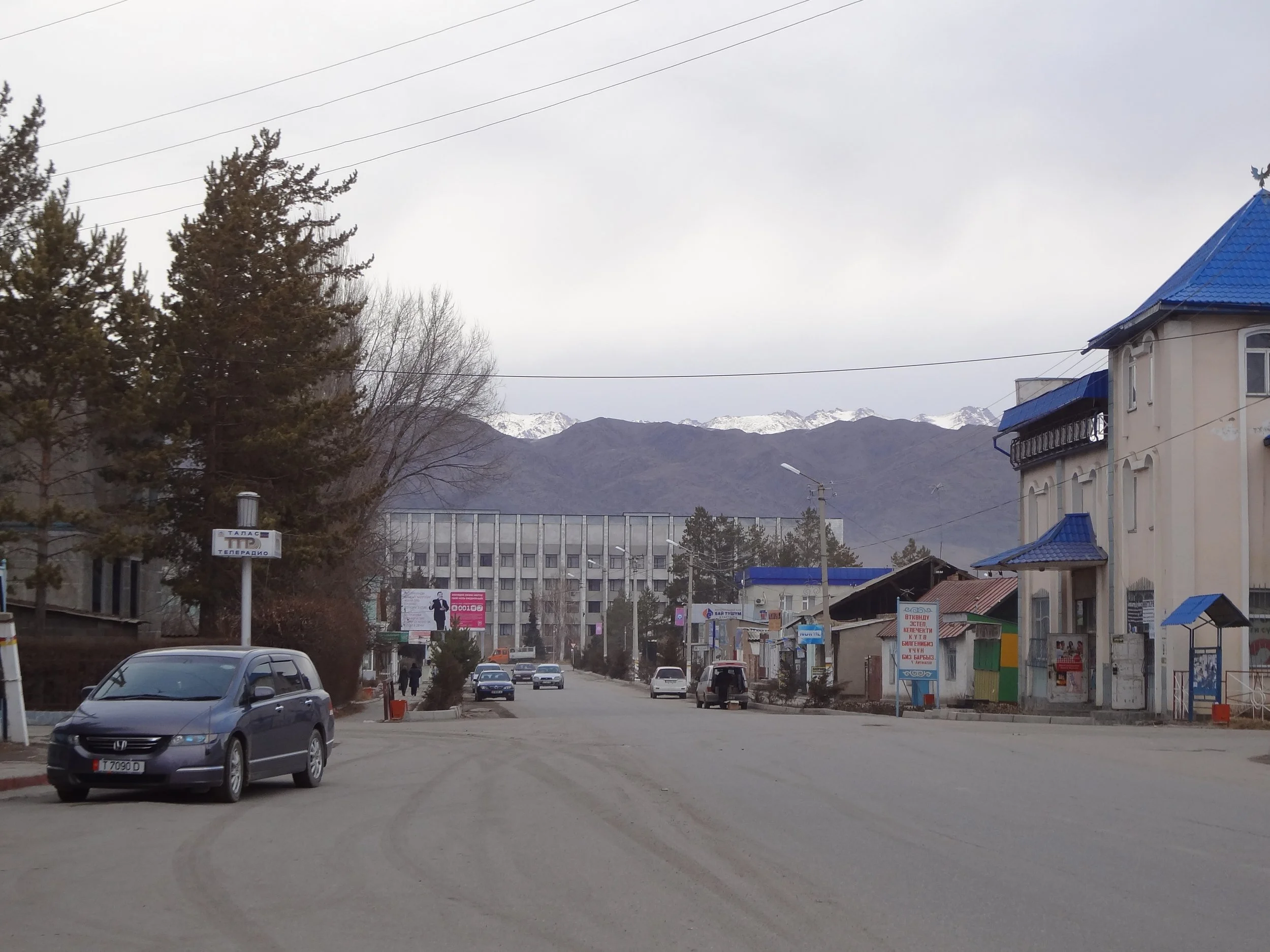

Kyrgyzstan | Audience Research of the Public TV and Radio Corporation (2013–2014)
Commissioner: Internews Network
Contractor: InterMedia
Role: Research Consultant
Contributed to study design, observed focus groups and interviews across regions, conducted qualitative analysis, and drafted the final research report on audience perceptions, viewing patterns, and content preferences of the Public TV and Radio Corporation of Kyrgyzstan (OTRK).
Research Findings Summary: The study found broad public support for OTRK’s role as a public service broadcaster, particularly its news and informational programming. At the same time, audiences expressed a need for more diverse content—especially youth-oriented, cultural, and regionally representative programming. Viewers emphasized the importance of improving content quality, objectivity, and audience engagement to strengthen trust in OTRK and enhance its relevance to communities across Kyrgyzstan.