Thematic Focus | Gender Equality, Human Rights & Women, Peace and Security (WPS)
Gender and human rights evaluations have been central to my work, spanning women’s economic and political empowerment, WPS commitments, and the integration of gender equality into peacebuilding and governance programming. I have led and contributed to evaluations commissioned by UN Women, USAID, and the U.S. Department of State across Central Asia, the Middle East, and Eastern Europe, generating actionable insights that strengthen inclusion, accountability, and women’s leadership in peace and development processes.
Iraq | Democracy, Human Rights, and Women’s Empowerment Portfolio Evaluation (2016–2018)
Commissioners: U.S. Department of State, Bureau of Democracy, Human Rights and Labor (DRL), and Secretary’s Office of Global Women’s Issues (S/GWI)
Contractor: DevTech Systems, Inc.
Role: Evaluation Specialist
Contributed to a comprehensive portfolio evaluation of 171 DRL and S/GWI-funded projects in Iraq (2004–2016). Conducted portfolio analysis, built a searchable program database, supported methodology design, and synthesized findings to inform strategic planning and future grant-making in democracy, human rights, and gender equality programming.
Portfolio Analysis Findings Summary: The analysis found that DRL and S/GWI programming advanced gender equality, reconciliation, and governance through training, advocacy, and community engagement. DRL initiatives strengthened governance, transitional justice, and reconciliation, while S/GWI programs focused on women’s economic empowerment and gender-based violence prevention. Gaps included uneven regional coverage and inconsistent monitoring practices. Recommendations emphasized evidence-based grant-making, expanding programming to underserved regions, and building sustainable local partnerships.
Kyrgyzstan | Evaluation of the Promotion of Economic and Political Rights of Women Program (2014)
Commissioner: UN Women / Fund for Gender Equality
Contractor: Independent Consultancy
Role: Team Leader / Program Evaluation Consultant
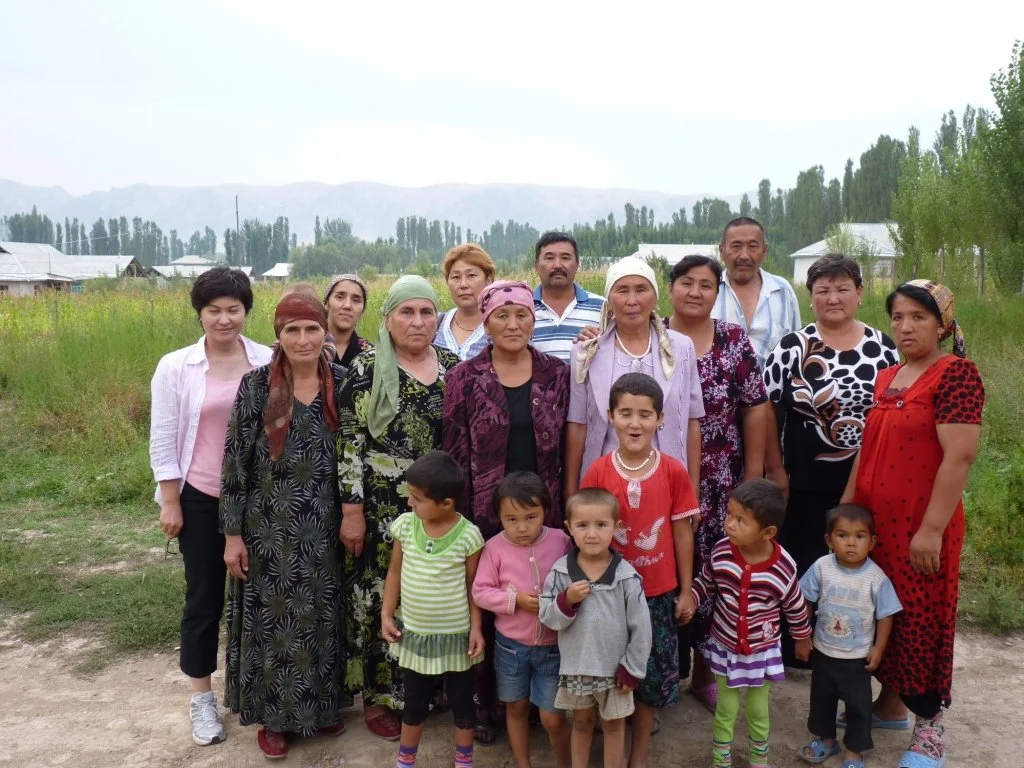
Led the evaluation of UN Women’s national program promoting women’s economic and political rights in post-conflict Kyrgyzstan. Designed and implemented the evaluation methodology, managed a six-member team, oversaw qualitative and quantitative data collection, analyzed findings, and provided recommendations to inform future gender equality programming.
Evaluation Findings Summary: The evaluation found that the program strengthened women’s economic empowerment, political participation, and leadership by supporting cooperatives, expanding access to resources and training, and increasing women's engagement in local governance. It also fostered collaboration between government institutions and civil society to advance gender-responsive policy frameworks. Challenges included sustainability of women’s initiatives and limited institutional support for scaling successful models. Recommendations emphasized reinforcing local ownership, integrating gender equality objectives into government programs, and expanding mentorship and financial support mechanisms for women leaders and entrepreneurs
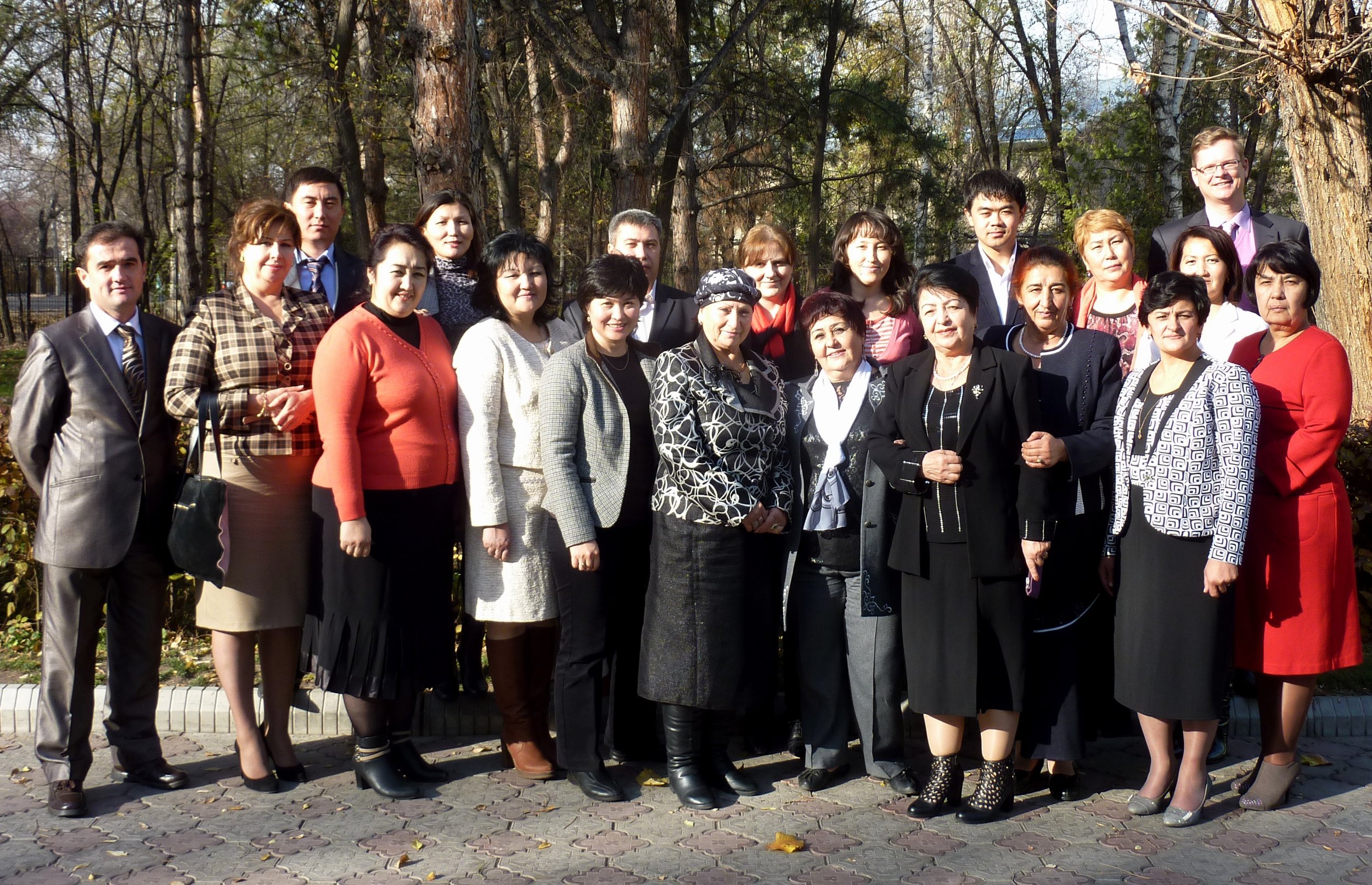
Kyrgyzstan, Tajikistan, and Uzbekistan | Monitoring Women’s Human Rights and Implementation of UN Security Council Resolutions on Women, Peace, and Security (2012–2013)
Commissioner: UN Women
Contractor: Independent Consultancy
Role: Consultant / Team Leader – Trainer
Led a regional monitoring and capacity-building initiative to strengthen accountability for implementing UN Security Council Resolutions on Women, Peace, and Security (UNSCR 1325 and related resolutions). Developed the monitoring methodology and training module on Women, Peace, and Security and delivered a four-day regional training for human rights observers from Kyrgyzstan, Tajikistan, and Uzbekistan. Conducted field research and needs assessments, coached 16 observers, and facilitated stakeholder consultations across government, civil society, and academia to identify key women’s human rights and security issues in the Ferghana Valley.
Monitoring Findings Summary: The monitoring report assessed the status of women’s human rights in the Ferghana Valley and regional progress toward implementing UNSCR 1325. The findings revealed persistent gender-based discrimination, limited women’s participation in peace and security processes, and insufficient integration of WPS principles into national policies. The report emphasized the importance of strengthening local monitoring networks, improving data collection, and enhancing government accountability mechanisms for advancing women’s rights in post-conflict and border communities. Recommendations called for building sustained national ownership of the WPS agenda, increasing cross-border collaboration, and institutionalizing gender-sensitive early warning and early response systems.
Kyrgyzstan | Strengthening Human Rights in Kyrgyzstan Program Evaluation (2012)
Commissioner: USAID/Kyrgyzstan
Contractor: Democracy International
Role: Performance Evaluation Consultant
Contributed to a midterm evaluation of Strengthening Human Rights in Kyrgyzstan program. Supported the design of the evaluation methodology and workplan, conducted desk review, identified respondents, carried out field interviews and focus groups, synthesized qualitative findings, and co-authored sections of the analytical report to inform USAID’s future human rights and rule of law programming.
Evaluation Findings Summary: The evaluation found that Freedom House made meaningful contributions to legislative and policy reforms at the national level and provided valuable support to human rights defenders, particularly in monitoring detention facilities, torture cases, and politically sensitive trials. However, the program’s relevance and impact were limited by an outdated design, insufficient focus on the south—where human rights violations were most acute—and gaps in sustainability, coordination, and public engagement. Key recommendations emphasized expanding regional outreach, strengthening advocacy based on monitoring findings, increasing support to human rights lawyers and women’s rights organizations, and developing a clear theory of change and sustainability plan for future programming.
Kyrgyzstan, Tajikistan, and Uzbekistan | Gender Dimensions of Early Warning and Conflict Prevention in the Ferghana Valley (2005–2007)
Organization: United Nations Development Fund for Women (UNIFEM, now UN Women)
Position: Regional Manager
Managed a regional UNIFEM initiative that established a gender-sensitive early warning and conflict prevention system in the Ferghana Valley. Led a multinational team, designed gender-sensitive indicators, and built partnerships with governments and civil society to promote gender-responsive conflict prevention. As a result of this program, led and edited the publication Gender Dimensions of Early Warning and Conflict Prevention in the Ferghana Valley, which informed national Women, Peace, and Security frameworks.
Publication Summary: The publication presents the results of a pilot initiative to develop and apply gender-sensitive early warning and conflict prevention tools in the Ferghana Valley. The project introduced a set of 26 gender-sensitive indicators—covering socio-economic factors, access to resources, youth dynamics, violence against women, and women’s participation in decision-making—to monitor conflict risk from a gender perspective. Field data collected across 40 communities in Kyrgyzstan and Tajikistan revealed persistent gender inequality, youth unemployment, religious and ethnic tensions, and declining trust in state institutions. The publication emphasized the need for systematic gender-responsive monitoring, stronger local and regional cooperation, and institutionalizing early warning and early response mechanisms that integrate women’s experiences, priorities, and security needs.